By Eyad, Founder of Afrah Events · Published · Last updated · 7 min read
Planning an Arabic wedding in Florida means connecting family traditions, entertainment, guest comfort and venue logistics. This guide explains how to build a practical celebration around your priorities, from choosing an entrance style to coordinating music, weather alternatives and written agreements without treating every Arabic wedding as the same event.
On this page
Where should you begin with an Arabic wedding?
Start with a conversation about what the celebration should feel like, rather than a list of performers. Ask each partner which moments matter personally: a family-led entrance, a particular regional music style, a packed dance floor or time for meaningful greetings. Separate essential traditions from attractive extras. This gives your planner and entertainment team a clear direction before anyone starts suggesting a package or schedule.
Next, identify who will make decisions and who needs to be consulted. Parents may have strong preferences about songs, entrances or announcements, while the couple may want a different atmosphere later. Record agreed priorities in one shared document. Include pronunciation notes, preferred languages and any traditions you do not want incorporated. Clear boundaries help preserve warmth without turning every planning conversation into a negotiation.
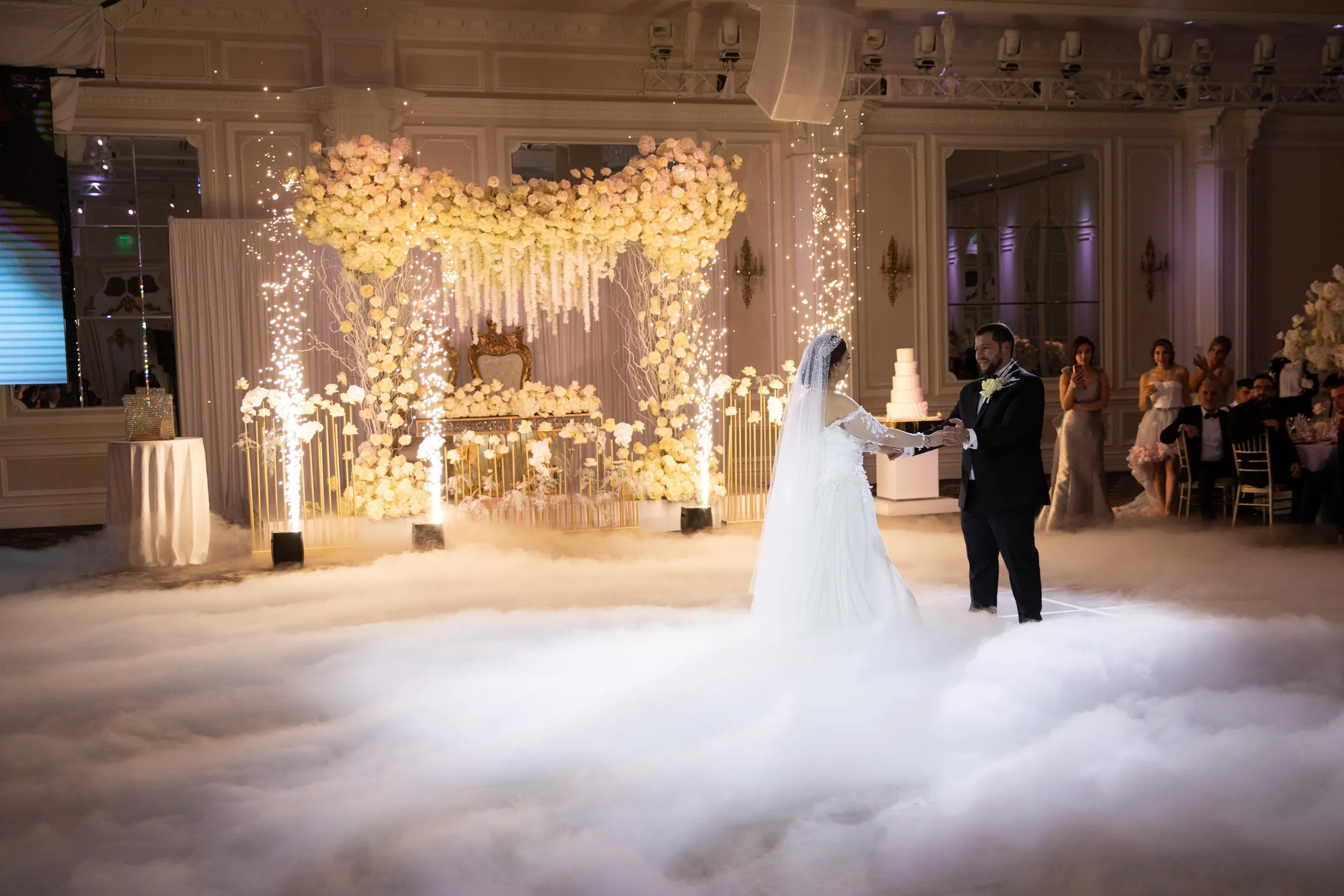
For a Miami celebration, compare the ceremony route with the reception floor plan before finalizing flowers or entertainment. Brickell rooftops, historic Coral Gables hotels and oceanfront ballrooms have different access needs. Mark the couple’s entrance, the kosha and the equipment positions on the same drawing so design decisions support the planned movement.
How do you choose a suitable Florida venue?
Look beyond the room photograph and ask how the space works during an actual celebration. Where will guests gather before the entrance? Can performers assemble out of sight? Is the dance floor large enough for your anticipated group dancing? Check the route between parking, ceremony and reception, especially if older relatives or guests using mobility aids will be moving between several locations throughout the evening.
Discuss sound limits, event finishing times, vendor access and power with the venue before finalizing entertainment. Outdoor spaces also need a workable weather alternative, not simply a hopeful forecast. Atlantic hurricane season runs June 1 through November 30. Ask how weather-related changes are handled, which indoor spaces are available and what the venue requires before approving lighting, staging or any requested effects for your chosen event date.
Which traditions should shape your wedding timeline?
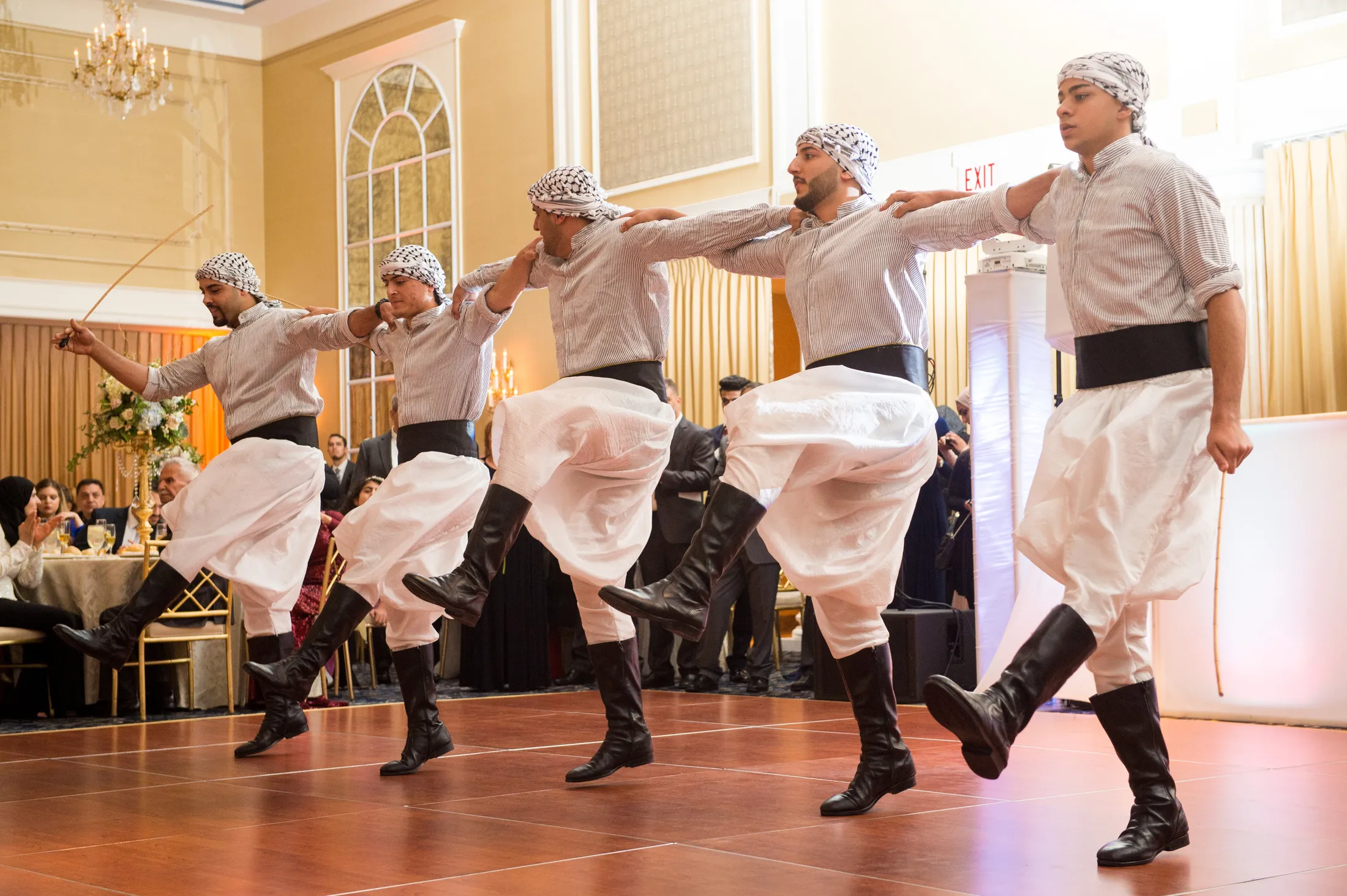
There is no single Arabic wedding sequence that suits every family. Some couples want a zaffe-style entrance, others prioritize dabke, and some combine traditions from different backgrounds. Describe the actual moments you want instead of relying on labels alone. Explain who participates, how the moment begins and whether guests should watch, join in or move toward another part of the room when it finishes.
Build transitions around those moments. An entrance needs guests seated or gathered, an identified music cue and a clear destination for the couple. Speeches need microphones and someone ready to introduce speakers. Dinner service needs coordination with dancing and performances. Leave breathing room for greetings and photographs, but assign one person to authorize timing changes so several relatives do not accidentally give conflicting instructions backstage.
How should you plan music for different generations?
Give your DJ a useful musical brief: regional preferences, favorite artists, meaningful songs and tracks you would rather avoid. Explain the balance you want between Arabic and international music instead of asking for an undefined mix. A family that loves Lebanese classics may need a different approach from one expecting Egyptian dance favorites, Gulf selections or contemporary cross-cultural wedding sets during the later reception hours.
Separate listening music from participation music. Reception arrivals, dinner, an entrance and open dancing serve different purposes, even when they feature the same artist. Ask how requests will be handled and identify anyone authorized to change the plan. If an emcee is needed, discuss announcement language, pronunciation and tone. A bilingual guest list does not automatically mean every announcement needs a full translation each time.
What affects the budget and booking process?
Pricing depends on the event date, location, performance duration, team size, equipment, production complexity and access requirements. Travel, installation schedules and additional technical support may also affect the scope. Compare proposals by what they include rather than by a headline figure. Two entertainment options can look similar while allocating very different responsibilities for sound, lighting, setup, coordination and the management of live performance cues.
Afrah is a Florida service-area business, so share your venue location and event requirements when requesting information. Ask for a written description of the proposed services, timing, equipment responsibilities and relevant terms. Review the written booking process and confirmation requirements with Afrah. Before signing, review payment arrangements, changes, cancellation provisions and weather-related procedures; do not assume a conversation, inquiry or preferred date places your celebration on the calendar.
What should happen during the final planning review?
Review one master timeline with the venue, planner and entertainment lead. Include vendor arrival, sound checks, guest access, entrance cues, dinner service and the final song. Confirm who supplies microphones and who controls room lighting. All effects require venue approval. Record that approval and any operating conditions rather than assuming an effect is acceptable because you have seen it used at another Florida wedding.
Finally, create a short contact sheet and a practical fallback plan. Name the person who can approve adjustments while the couple is occupied, and confirm how vendors will communicate during the event. Check pronunciation, song versions and the exact entrance order once more. Good planning should make the wedding feel more personal and less managed, with enough clarity behind the scenes for everyone to enjoy it.
Our favorite was definitely [the DJ and MC], [they] stuck to our playlists and meshed all our genres together effortlessly, guests raved about it.
Build the wedding around your family's actual priorities
Begin with a conversation between the couple before collecting entertainment proposals. Write down the moments you would miss if they were absent: a particular entrance song, time for family greetings, a dabke gathering or a quieter dinner. Ask parents to identify their own priorities separately. Comparing those notes makes disagreements visible while there is still room to resolve them. We recommend describing each tradition in plain language, including who participates and what guests should do, rather than expecting a familiar cultural label to explain the whole celebration.
Create a planning document with a decision owner beside each subject. The couple might approve music, while a parent advises on names and a planner manages vendor access. Include pronunciation recordings, preferred announcement languages and boundaries around photographs or public participation. Arab families differ in religion, regional background and personal preference. A ceremony, ring exchange or religious observance should enter the schedule only after the people involved confirm its meaning and requirements. Entertainment should support those choices, not supply an assumed version of your family's customs.
Test the venue against the complete reception plan
Bring an approximate guest count and a proposed floor plan to the venue conversation. Ask where a procession could assemble, which doorway the couple would use and whether guests can reach their seats without crossing the performance area. Include the kosha or couple's seating only if it belongs in your design. Check accessible routes, nearby seating for relatives who cannot stand for long and the position of catering stations. A room that accommodates dinner may still need a different arrangement to support guest dancing and live performers.
Ask the venue to explain its loading route, installation window, power arrangements and sound restrictions before entertainment is confirmed. Identify who can approve equipment positions and changes to room lighting. For outdoor portions, inspect the indoor alternative with the same guest count and furniture requirements. A covered terrace is not automatically an appropriate shelter for every weather condition. Any requested effects remain conditional on written venue approval and any applicable authority requirements. Keep the approval attached to the event plan rather than relying on a photograph of another wedding.
Give the music and timeline a clear structure
Divide the reception into listening, watching and participation periods. Arrival music should allow greetings; an entrance needs attention; dinner may need restrained amplification; open dancing needs room and fewer interruptions. Give the DJ reference tracks for each purpose, with the correct artist and recording where a particular introduction matters. Label songs as essential, optional or excluded. We also ask couples to explain why a song matters. That context helps distinguish a family obligation from an example of the general atmosphere they enjoy.
Place live performances where service and guest movement can support them. A dabke invitation should not compete with servers carrying hot plates through the same floor. A singer needs an agreed microphone and a clear ending before speeches begin. Designate one coordinator to authorize changes, and have that person confirm readiness with the venue, DJ and performers. Leave an adjustable interval for greetings or photographs. If dinner is delayed, the coordinator can extend background music without forcing the couple to make technical decisions while they are welcoming relatives.
Compare proposals and finish with an operational review
Compare written scopes rather than package names. Record performance duration, performer numbers, equipment, microphones, setup access and the person responsible for coordination. Ask how travel, additional rooms, waiting periods or a revised schedule would affect the proposal. Review payment, cancellation, postponement and substitution terms before committing. An inquiry is not the same as a confirmed booking. When contacting our team, share the venue address, date, expected attendance and the specific moments you want us to support so the discussion starts with usable information.
At the final review, work through the event in chronological order using one current document. Confirm vendor arrivals, sound checks, guest access, entrance order, meal service, speeches and the final music cutoff. Attach a contact sheet and identify the person who holds any rings, ceremonial items or special recordings. Check which ideas are confirmed and which still depend on availability or approval. Remove unresolved effects from the essential sequence. A successful planning document should let another responsible professional understand the next cue without interrupting the couple for an explanation.
Continue planning with wedding entertainment packages, Miami venue logistics and Orlando resort planning.