Wedding Lighting & Visual Effects Florida
Afrah Events coordinates wedding lighting and visual effects across Miami and Florida, from uplighting and monogram projection to first-dance clouds and cold sparks. We plan equipment, cue timing and room coverage around your guest count, venue rules and photographer, with effects selected only after checking approval, ventilation and safe operating space.
On this page
What wedding lighting can we include?
Uplighting brings a consistent look to walls and architectural details, while a dance-floor wash makes guests visible without flooding the entire ballroom. Moving heads can follow musical cues; monogram or gobo projection adds a personal motif. Pin spotting keeps centerpieces and the cake visible after the room lights come down. We coordinate fixture positions, power access and colors with the venue, planner and photographer before choosing the final lighting plan.
Are cold sparks safe indoors?
Cold-spark fountains are not automatically safe or permitted simply because they are called cold sparks. The venue, equipment operator and any relevant fire authority must approve the machines, consumables, clearances and placement. We confirm restrictions before proposing a cue and keep equipment away from guests, fabrics and decor. Where approval is not available, lighting or LED props can provide an alternative without promising the same effect.
What is dancing on the clouds?
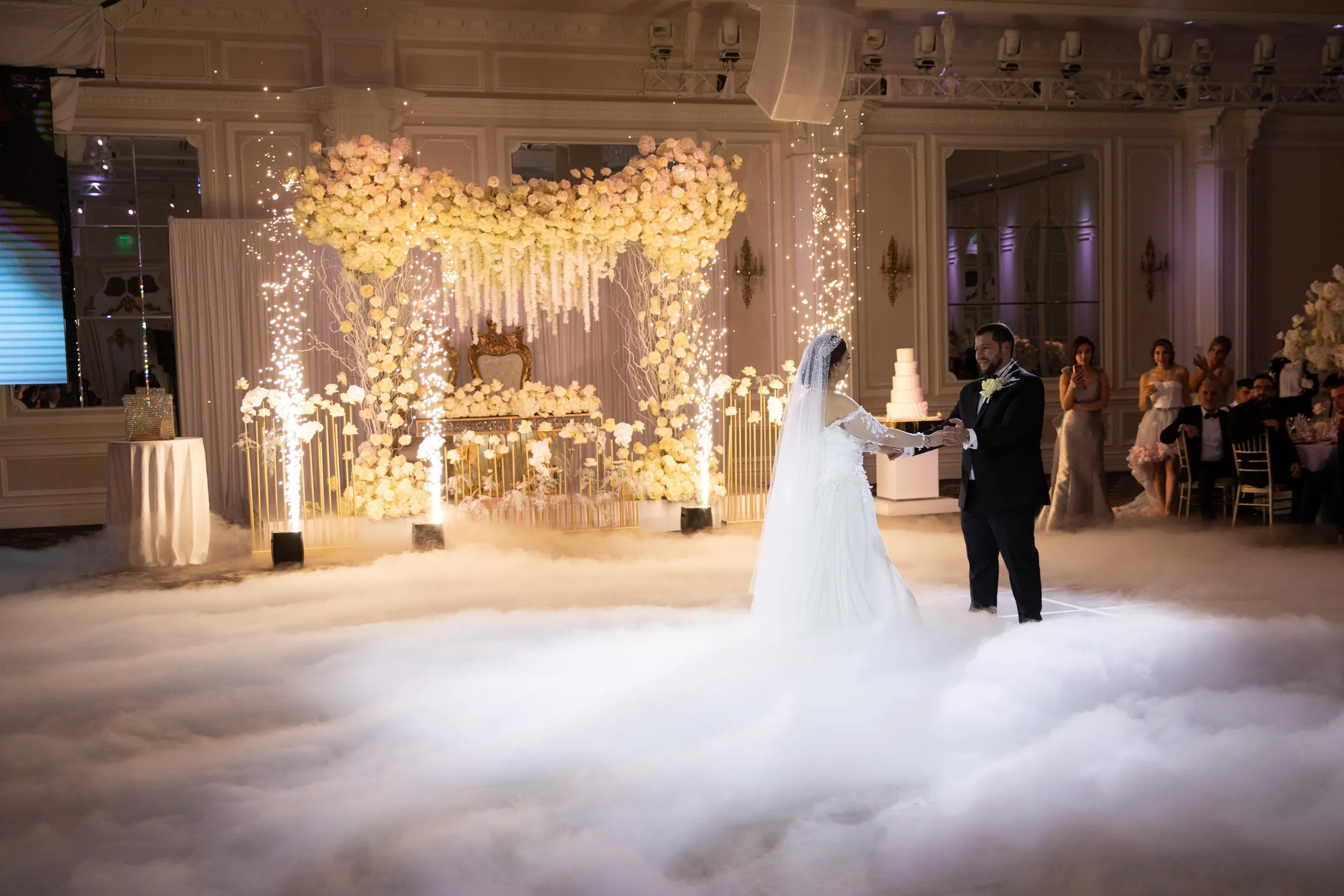
Dancing on the clouds is a low-lying fog effect that surrounds the first dance near floor level. Its appearance depends on the equipment, room temperature, airflow and venue conditions, so we discuss the space before planning the cue. The first dance is rehearsed with the operator, DJ and photographer to align the music and camera angles. Fog, haze and alarm-system considerations need venue approval; the effect is not suitable for every indoor or outdoor setting.
Which visual effects can work at our venue?
Options to discuss include haze, confetti and streamer cannons, CO2 jets, LED props and a 360 photo booth, alongside cold sparks and low-lying fog. Each has different requirements for power, ventilation, operating space, trained staff and cleanup. CO2 systems and cannons need controlled placement and venue permission, and outdoor wind can change what is practical. We build the effects plan around the entrance, first dance or exit rather than running every effect throughout the reception.
How do we choose lighting and effects without overcrowding the important moments?
Begin with the result you want guests and cameras to see. Uplighting shapes the room, pin spotting draws attention to details and a dance floor wash supports visibility. A projected monogram needs a suitable surface, while moving lights introduce motion that may suit dancing better than speeches. Clouds or sparks belong to a particular cue rather than replacing a complete lighting plan. Tell us which moments matter most and share room photographs before choosing equipment. Discuss the desired appearance with your photographer so colors and brightness support people as well as decor. Avoid combining every available effect simply because it appears in inspiration videos. Those videos may show different rooms and production conditions. A focused plan explains what each element contributes, where it operates and which requested ideas should be omitted if the venue or space makes them unsuitable.
Our favorite was definitely [the DJ and MC], [they] stuck to our playlists and meshed all our genres together effortlessly, guests raved about it.
What equipment and operating responsibilities should our effects request describe?
Separate permanent room lighting from individually cued effects. List the requested areas, fixtures or looks, then identify any monogram projection, low fog, haze, sparks, confetti, streamers or CO2 feature you want discussed. The proposal should explain what is actually confirmed, who operates it and which items remain conditional on approval. Ask about control positions, required consumables, electrical connections and any additional sound coordination. For confetti or streamers, clarify approved materials and removal responsibility; for projected artwork, confirm who supplies the final design. Equipment delivery alone is not the same as an operated effect timed to music. We recommend checking that setup, testing, cue operation and removal are assigned rather than assumed. A common mistake is approving a visual reference without identifying the machinery, staff and venue conditions needed to produce an appropriate version of that idea.
What is the practical approval process before confirming sparks, clouds or atmospheric effects?
First, tell the venue exactly which effect is proposed rather than asking for general permission for wedding effects. Next, have the relevant operator provide the information the venue and any responsible authority require about equipment, materials, placement and operating conditions. Review ventilation, detection systems, surrounding decor and guest clearances as applicable. Approval for lighting does not imply approval for fog, and permission for one spark product does not cover every machine or location. Confirm any documents, restrictions and responsible contacts before the effect becomes part of the final sequence. Never plan around unauthorized changes to alarm systems. If approval is refused or unresolved, discuss a simpler permitted presentation. Avoid treating the approval as a formality to finish on arrival; it can determine whether the proposed cue exists at all, not just where a machine is positioned.
How do floor space, electricity and airflow change the finished effect?
Production equipment occupies space beyond the visible effect. Operators need suitable positions, guests need clear routes and equipment needs the manufacturer's required operating clearances. Ask the production provider and venue to review electrical demand and circuit access rather than assuming nearby sockets are sufficient. Protected cable routes matter around dance floors, entrances and service paths. Air conditioning, open doors and outdoor wind can change low fog and atmospheric effects, while ceiling height and surrounding materials affect what can be considered for sparks or jets. Projection depends on distance, angle and the receiving surface. The room should be assessed in its furnished layout, not as an empty shell. Avoid promising a photograph from another venue will be reproduced exactly. The practical goal is an approved arrangement suited to the actual room, with its limitations understood before the event.
How are lighting and effects cues prepared for an entrance or first dance?
Choose the exact moment the cue supports, then agree the music version, performer positions and person authorized to call it. The DJ, operator, planner and photographer need to understand the same start and finish sequence. Mark positions only through methods acceptable to the venue, and keep guests away from operating areas. Testing and any necessary briefing should happen before the room is in use, within the access permitted by the property. Discuss what happens if the couple starts elsewhere, the song changes or approval conditions cannot be met. An effect should not be triggered simply because its scheduled time has arrived. The avoidable mistake is giving the operator a song title without a visible or communicated cue. A clear readiness check matters more than surprise, especially when guests, flowing clothing, floral structures or other performers are near the planned effect.
Lighting & Visual Effects
Packages for this service
Explore a starting point, then confirm the team, coverage and inclusions in your custom proposal.
Local planning
Explore local entertainment
Frequently asked questions
How is lighting and effects pricing worked out?
The quote depends on room size, equipment, crew, cue complexity, duration and travel. Starting ranges are available on request.
Can lighting match our wedding colors?
We discuss your palette and test the lighting against the room, florals and photography requirements before confirming colors.
Will fog or haze trigger a fire alarm?
It can, depending on the alarm system and product. Venue approval and a coordinated operating plan are essential; alarm systems must never be disabled without authorized procedures.
Who handles confetti cleanup?
Cleanup responsibilities and approved confetti materials are agreed with the venue before booking the effect.
Do you travel to Orlando and Tampa?
Yes. We plan travel, load-in, power access and setup for events across Florida.
Can we combine effects with a zaffe or DJ?
Yes. We coordinate effect cues with the entrance team and DJ, subject to equipment availability and venue permission.
What artwork is needed for a monogram projection?
Ask the production provider for the required artwork format and confirm the design, spelling and projection surface before preparation.
Can an approved effect move to another part of the room?
Not automatically. Revised placement may change clearances, power and approval conditions, so the operator and venue must review it.
What if an effect cannot run on the day?
Agree a permitted fallback cue in advance, such as a lighting change, without assuming it will create the same appearance.
Lighting & Visual Effects
Pairs well with
Wedding Planning
Full or partial planning for Arab and multicultural weddings, from the katb el-kitab to the last dabke circle.
Explore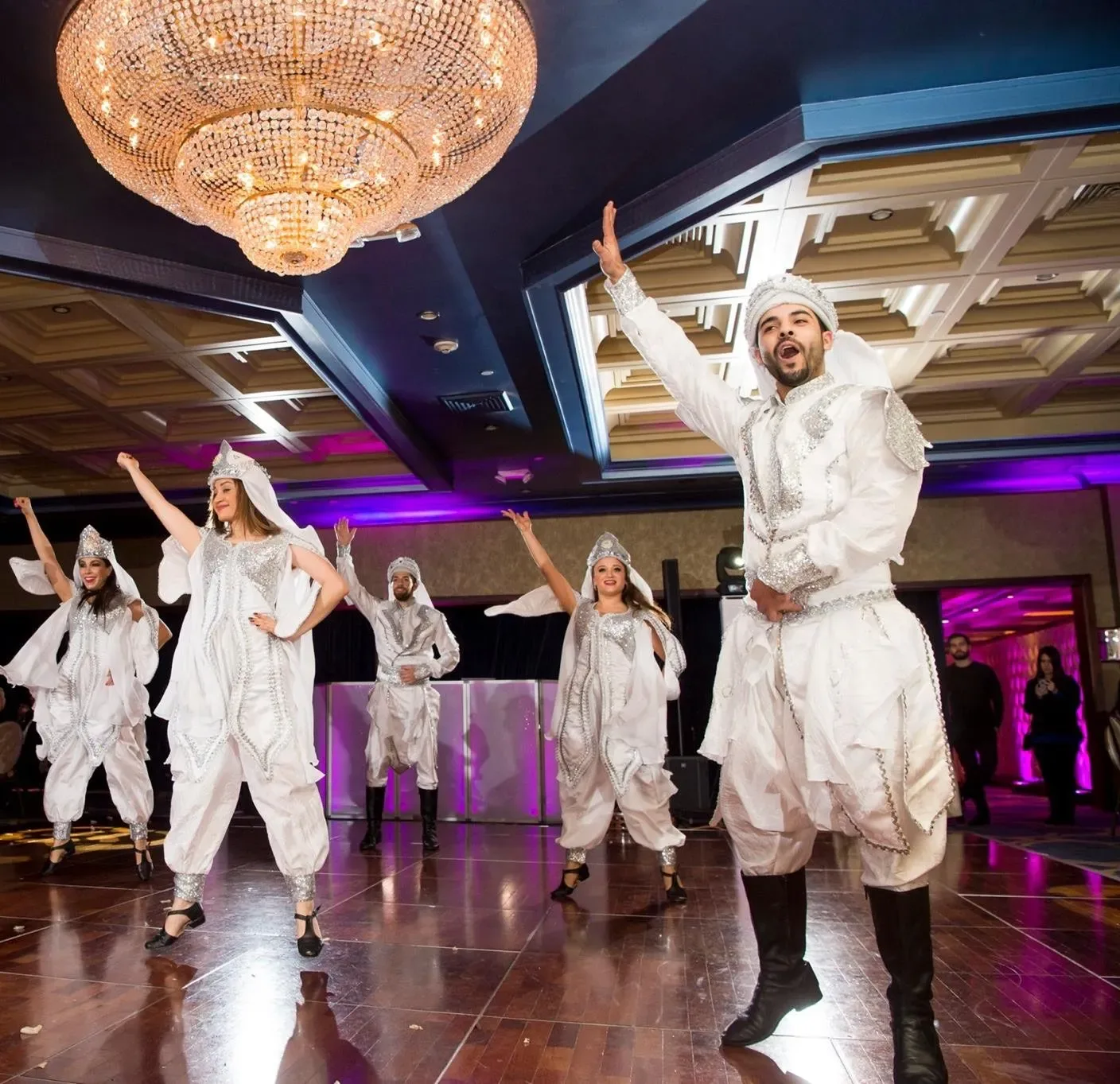
DJ & MC
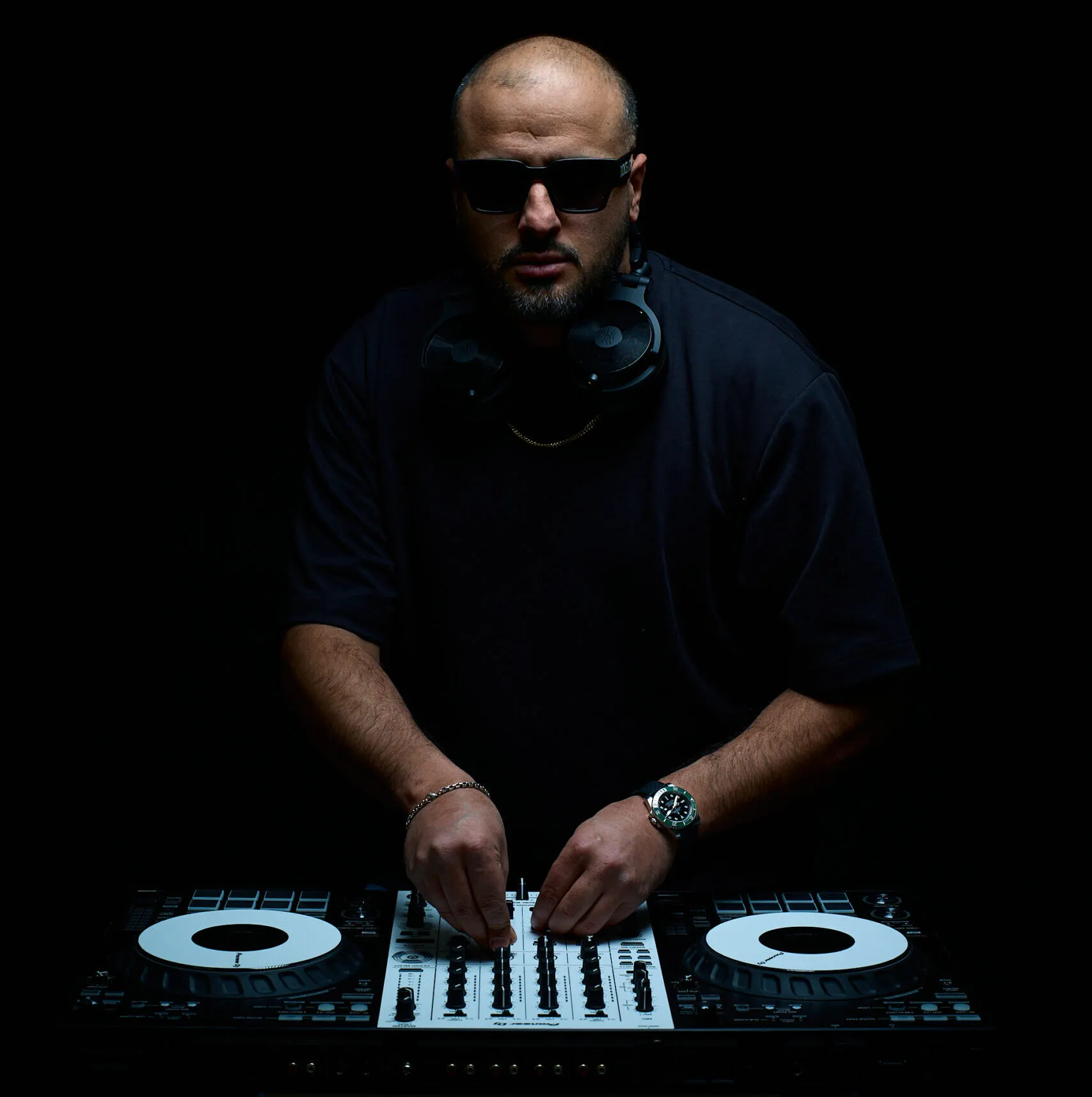
Arabic and English DJ sets, a bilingual MC and dance-floor lighting that keeps every generation dancing.
Explore
Zaffe
Lebanese, Palestinian, Egyptian, Syrian and Jordanian wedding processions with drums, dancers and approved props.
Explore

Available across Florida. see all locations, including Miami, Orlando and Tampa.
From the Journal
Plan the details
Florida Venues & Cities
Entertainment Planning for Luxury Miami Beach Hotel Weddings
Oceanfront ballrooms, strict sound rules and tight load-in windows. How to plan a zaffe, DJ and effects at a luxury Miami Beach hotel.
By Eyad ·
Read storyFlorida Venues & Cities
Wedding Entertainment in Fort Lauderdale, Boca Raton and Palm Beach
Waterfront hotels in Fort Lauderdale, country clubs in Boca Raton and oceanfront resorts in Palm Beach each call for a different entertainment plan.
By Eyad ·
Read story
Planning
Arabic Wedding Planning in Florida: The Complete Guide
Planning an Arabic wedding in Florida means connecting family traditions, entertainment, guest comfort and venue logistics. This guide explains how to build a practical celebration around your priorities, from choosing an entrance style to coordinating music, weather alternatives and written agreements without treating every Arabic wedding as the same event.
By Eyad ·
Read story


Events with Elegance
Let's plan your entrance
Tell us your date, city and guest count. We reply within 24 hours.