Dabke Florida
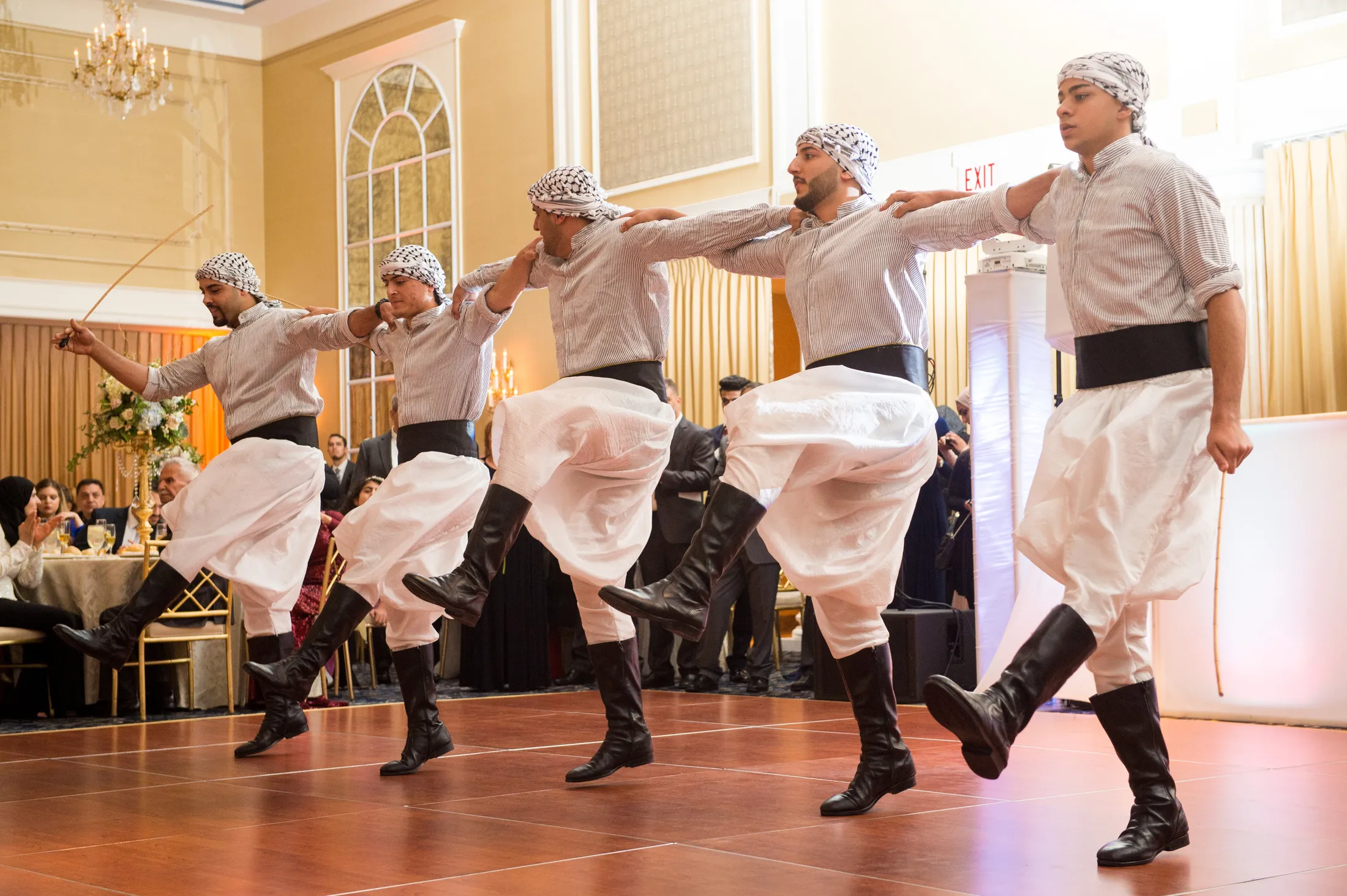
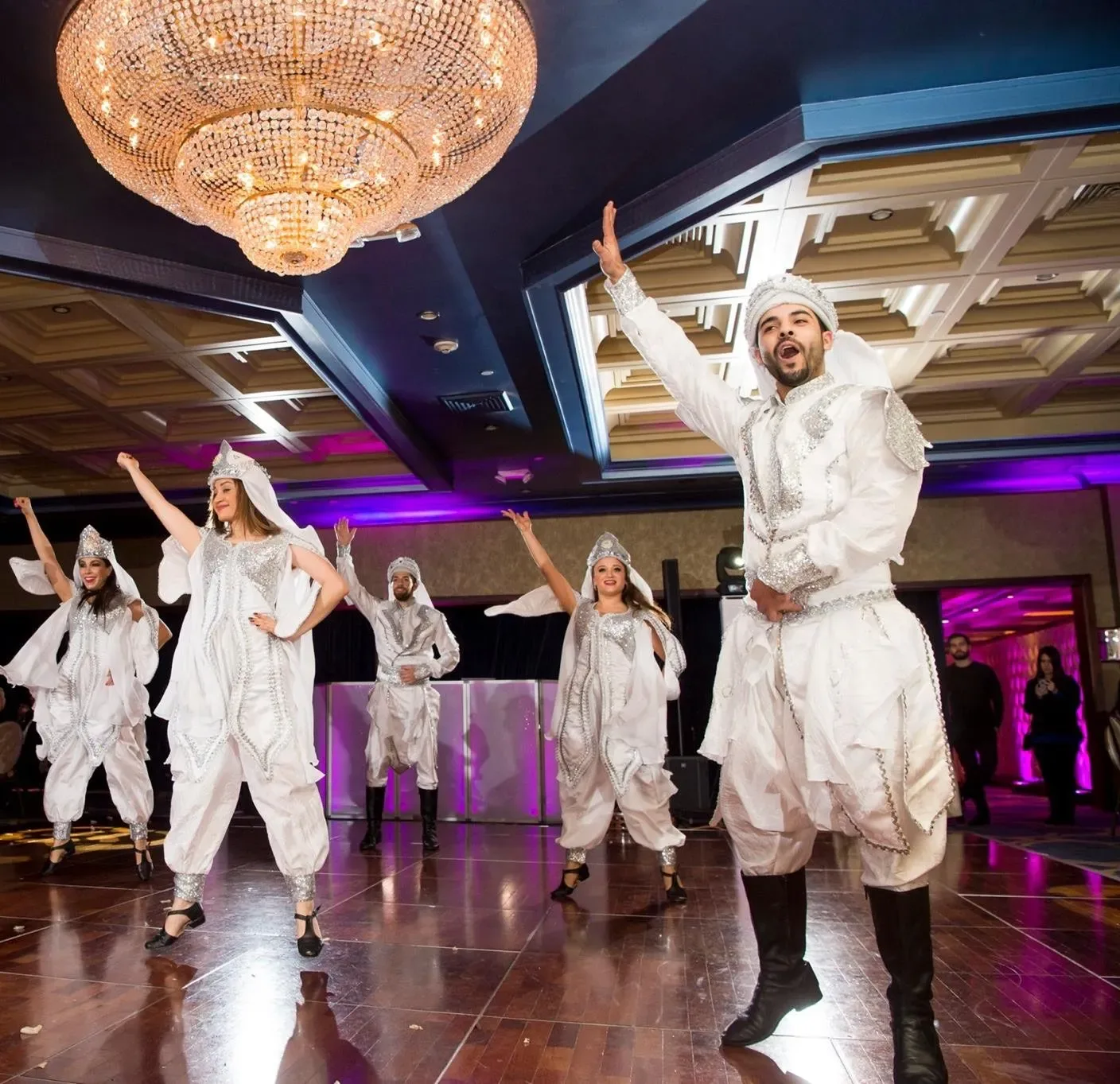
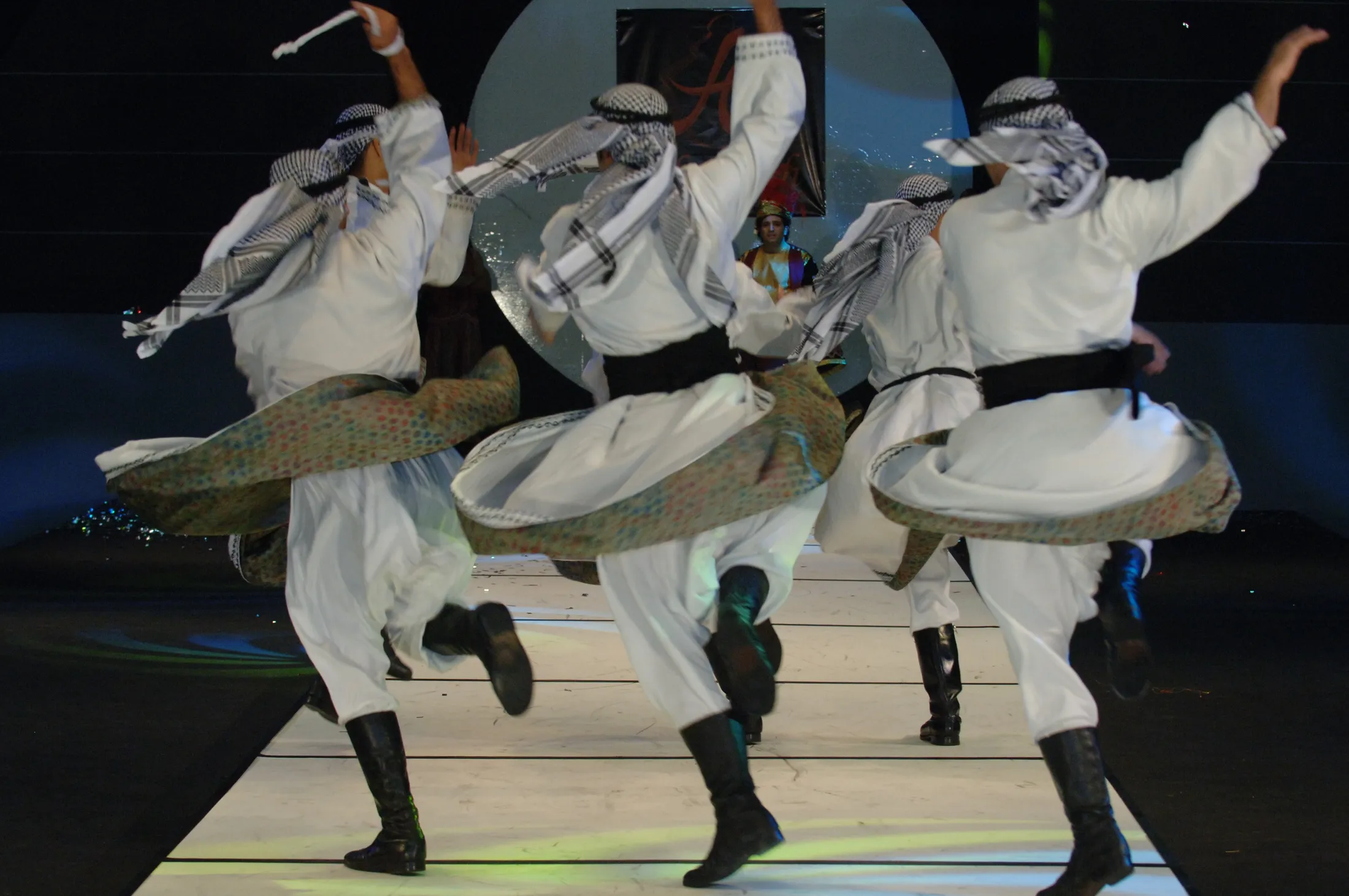
Dabke is the Levantine line dance where dancers link arms and stamp in rhythm, led by a dancer waving a handkerchief. Afrah Events brings dabke troupes and tabla drummers to weddings and parties across Florida for entrances, showcase performances and full dance-floor circles, with sparklers, swords or LED props where your venue allows them.
On this page
What does a dabke performance include?
A typical booking is a choreographed showcase by our dancers, followed by an open dabke circle where guests join in. Drummers play live, and the lead dancer, the raas, pulls family members into the line.
How long do the drummers perform?
Duration and the number of appearances are agreed for your event, not set by a universal performance length. Share the entrance route, catering schedule and moments you want covered. We discuss setup access, preparation, performance and removal separately so the venue and DJ understand the same sequence.
Can drummers bring sparklers or swords?
Yes, where allowed. Swords are a showpiece in many entrances, and sparklers or torches need venue and sometimes fire-marshal approval. We confirm rules early and switch to cold sparks or LED props if needed.
How much do dabke dancers cost in Florida?
It depends on the number of drummers and dancers, total performance time, guest count and travel. A short drum entrance costs less than a full troupe for the whole night. We share starting ranges on request.
Should we request a dabke showcase, guest circle or drum feature?
Choose the function you want the performance to serve. A choreographed showcase gives guests something to watch, a guided circle invites participation and a drum feature can mark an entrance or another specific moment. These formats need different floor arrangements and musical cues, even when some of the same performers are involved. Tell us whether your guests already know dabke, which regional songs matter and whether the couple wants to join. At a cultural or corporate event, discuss whether a brief introduction would help the audience understand what they are seeing. Request the format that supports the event rather than assuming more participation is always better. A common mistake is placing a guest circle where only a viewing area has been planned. The brief should make clear when guests watch, when they may join and who guides that change.
Our favorite was definitely [the DJ and MC], [they] stuck to our playlists and meshed all our genres together effortlessly, guests raved about it.
What should the requested dabke and drummer lineup include in writing?
Specify the requested dancers and drummers by role, along with costumes, musical direction and the number of appearances you want considered. A dancer showcase and a percussion appearance are not interchangeable, so the proposal should distinguish them. If you want a lead dancer to invite guests into a line, name that expectation. Identify any requested swords, sparklers or LED props separately, with their confirmation dependent on availability and approval. Explain whether the performers support an entrance, a featured set, cake cutting or several moments, because waiting and transitions affect the plan. Ask who provides recorded music, microphones or sound connections where needed. Avoid assuming that live drumming means every musical element will be performed acoustically. A clear lineup describes the actual presentation and technical responsibilities instead of leaving the whole performance hidden behind the word troupe.
How do we prepare guests and the floor before opening a dabke circle?
First, agree where the showcase ends and where the guest line begins. Next, identify a few willing relatives who can help the circle form without making participation compulsory. Ask the MC to explain the invitation clearly, particularly for guests unfamiliar with the dance. The floor should be cleared of chairs, bags, loose decorations and drinks before stamping and linked movement begin. Tell the performers about children likely to gather close to the action and any accessibility considerations for the couple or relatives. The lead dancer needs space to direct the line rather than being surrounded immediately. Guests can enjoy watching, and nobody should be pulled into participation against their preference. Avoid announcing an open circle before the room is ready; enthusiasm can quickly fill the only safe movement area if tables or service equipment are still being moved.
Which floor, sound and prop conditions should we check for dabke and drums?
Share the usable floor dimensions after tables and equipment are positioned. The surface needs to suit rhythmic footwork, with attention to moisture, loose coverings, uneven joins and nearby steps. A narrow strip between tables is different from a clear performance area, even if both fit on the room diagram. Live drums also need review under the venue's sound policy; the absence of speakers does not remove sound restrictions. If recorded accompaniment is used, confirm power, playback responsibility and how performers communicate with the DJ. Props need their own clearance and approval, especially swords or spark effects near a moving line. Keep any effect operating area separate from guest participation. The mistake to avoid is approving a performance based only on overall room capacity. Movement, audience position, service routes and the equipment footprint determine the space actually available to dancers and drummers.
How should dabke and percussion appearances be placed across the reception?
Give each appearance a purpose and an agreed start cue. An entrance drum moment should not consume the preparation needed for a later showcase, and a guest circle should begin when guests can participate rather than while they are being seated for food. Discuss the number of appearances, their scope and the transition between live percussion and recorded music. Performers, DJ, planner and photographer should share the same sequence and understand where the final cue leads. Timing remains specific to the booking rather than fixed for every event. If speeches or dinner shift, review the performance order instead of compressing everything into the next available gap. One common mistake is asking drummers to continue indefinitely while waiting for another supplier. Agree how holds and changes will be communicated so musical energy does not replace the practical coordination the next moment requires.
Dabke & Drummers
Packages for this service
Explore a starting point, then confirm the team, coverage and inclusions in your custom proposal.
Frequently asked questions
Is dabke the same as a zaffe?
No. A zaffe is the entrance procession; dabke is a line dance that usually happens on the dance floor afterward.
Can non-Arab guests join the dabke?
Yes. The steps are easy to follow and our dancers guide guests into the line.
Do you perform at corporate and cultural events?
Yes. Short dabke showcases are popular for galas, festivals and heritage nights.
How much floor space do dabke dancers need?
A standard ballroom dance floor works. For large troupes we confirm the floor size during planning.
Can you perform in Orlando or Tampa?
Yes. We perform across Florida and plan travel and setup time for each city.
Can guests watch without joining the line?
Yes. Plan a viewing area and make the invitation voluntary so participation does not obstruct guests who prefer to watch.
Should children stand near the lead dancer?
Discuss a suitable viewing position with the host and performers so children are not inside the active movement or prop area.
Does acoustic drumming still need venue permission?
Yes. Confirm the venue's rules for live percussion, including permitted locations and sound restrictions.
Dabke & Drummers
Pairs well with
Event Planning
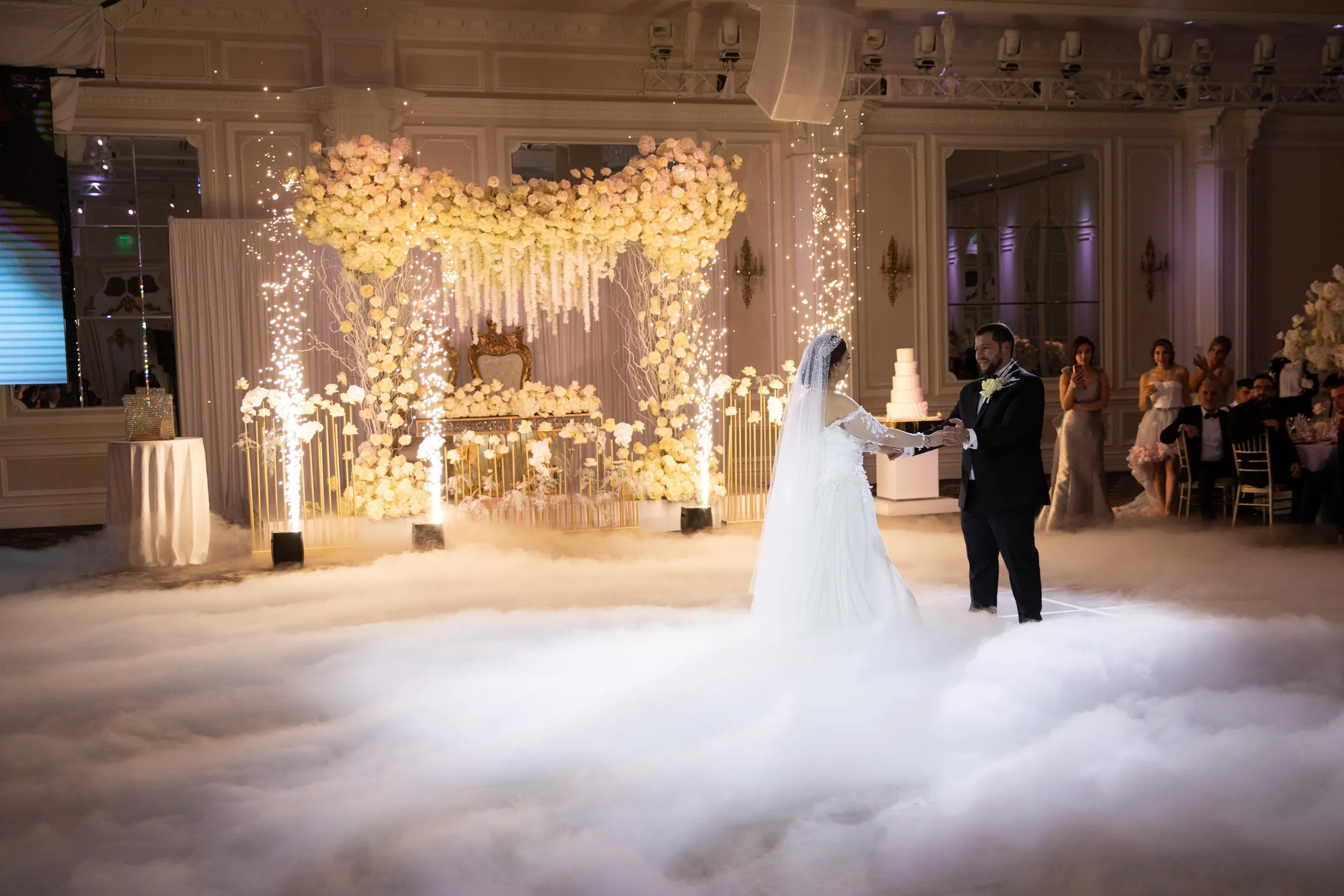
Engagements, henna nights, graduations and milestone parties planned with the same polish as a wedding.
Explore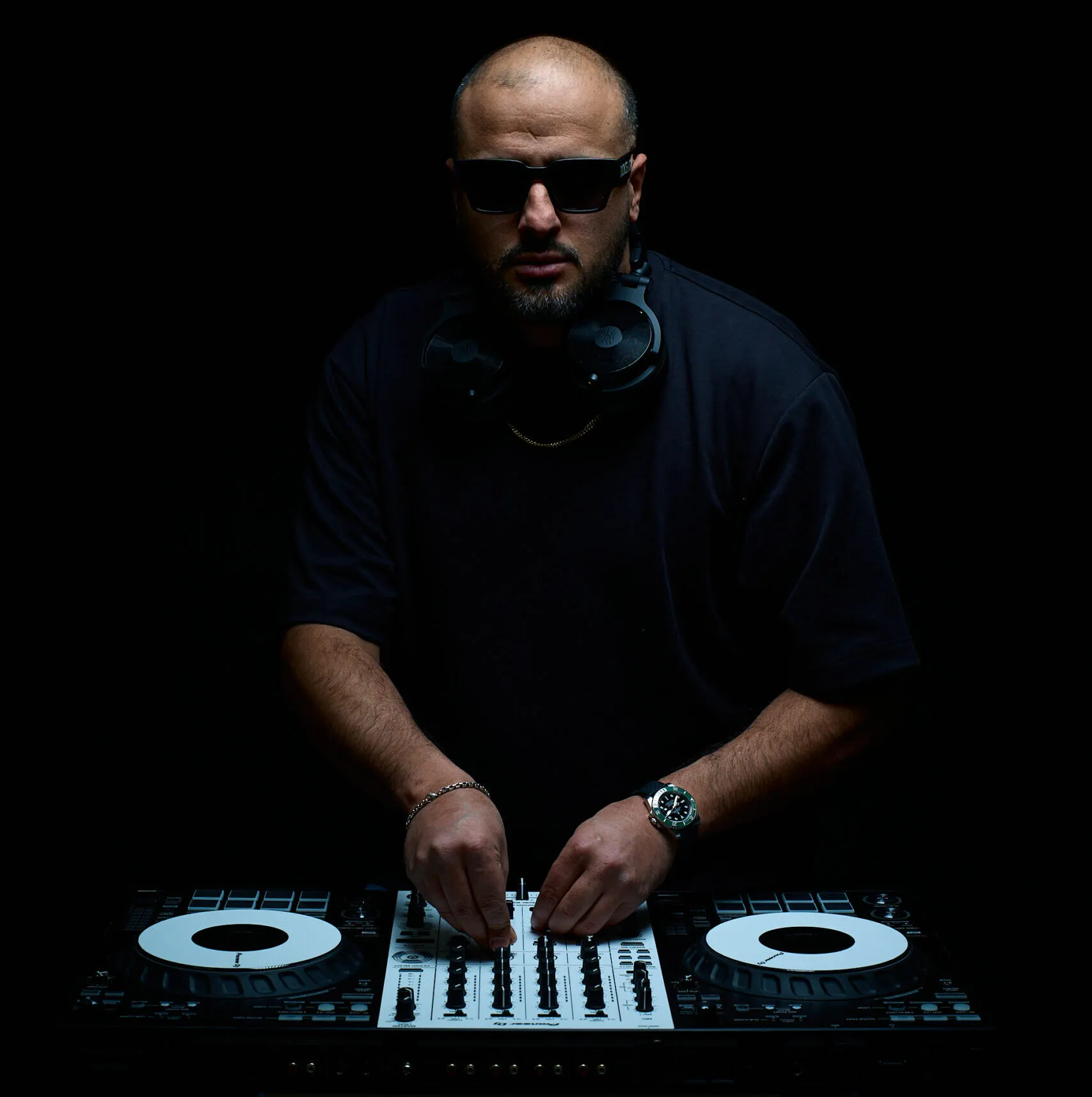
DJ & MC
Arabic and English DJ sets, a bilingual MC and dance-floor lighting that keeps every generation dancing.
Explore
Zaffe
Lebanese, Palestinian, Egyptian, Syrian and Jordanian wedding processions with drums, dancers and approved props.
Explore

Available across Florida. see all locations, including Miami, Orlando and Tampa.
From the Journal
Plan the details
Zaffe & Dabke
Lebanese Wedding Traditions and How to Plan Them in Florida
The zaffe, the dabke circle, the kosha and the cake sword. A practical look at Lebanese wedding traditions for couples marrying in Florida.
By Eyad ·
Read storyDJ, Lighting & Effects
Middle Eastern Wedding Music in Florida: Arabic, Persian, Turkish and Armenian Sets
Arabic dabke, Persian pop, Turkish halay and Greek syrtos on one dance floor. How to brief your DJ for a Middle Eastern or Mediterranean guest list.
By Eyad ·
Read storyPlanning
Arabic Wedding Planning in Florida: The Complete Guide
Planning an Arabic wedding in Florida means connecting family traditions, entertainment, guest comfort and venue logistics. This guide explains how to build a practical celebration around your priorities, from choosing an entrance style to coordinating music, weather alternatives and written agreements without treating every Arabic wedding as the same event.
By Eyad ·
Read story

Events with Elegance
Let's plan your entrance
Tell us your date, city and guest count. We reply within 24 hours.