By Eyad, Founder of Afrah Events · Published · Last updated · 6 min read
A henna night is a pre wedding celebration found in Arab, South Asian, Turkish, Moroccan and other cultures. In Florida, henna nights range from intimate gatherings at home to full events in a hotel ballroom. A good plan defines the traditions you want to include, the music and performers that suit the mood and a venue layout that keeps the henna artist and the dance floor working at the same time.
On this page
What is a henna night and who celebrates it?
A henna night is a celebration held before the wedding where the bride, and sometimes guests, have henna applied. In Arab communities it is often called a hinna or laylat al hinna. South Asian families celebrate a mehndi, Turkish families a kına gecesi and Moroccan families a henna ceremony with its own dress and music. Each culture has different customs, but all share the idea of family, music and blessing before the wedding day.
Because henna nights exist in so many cultures, they are often the most natural shared event for multicultural couples. A Lebanese and Indian couple, for example, may find that both families already expect a henna celebration. Combining elements from each tradition into one evening can bring families together before the larger wedding.
Henna nights are usually less formal than the wedding. That makes them a good place for traditions that might not fit into a tightly scheduled reception, such as longer family songs, playful games or traditional dress changes.
How should the music be planned for a henna night?
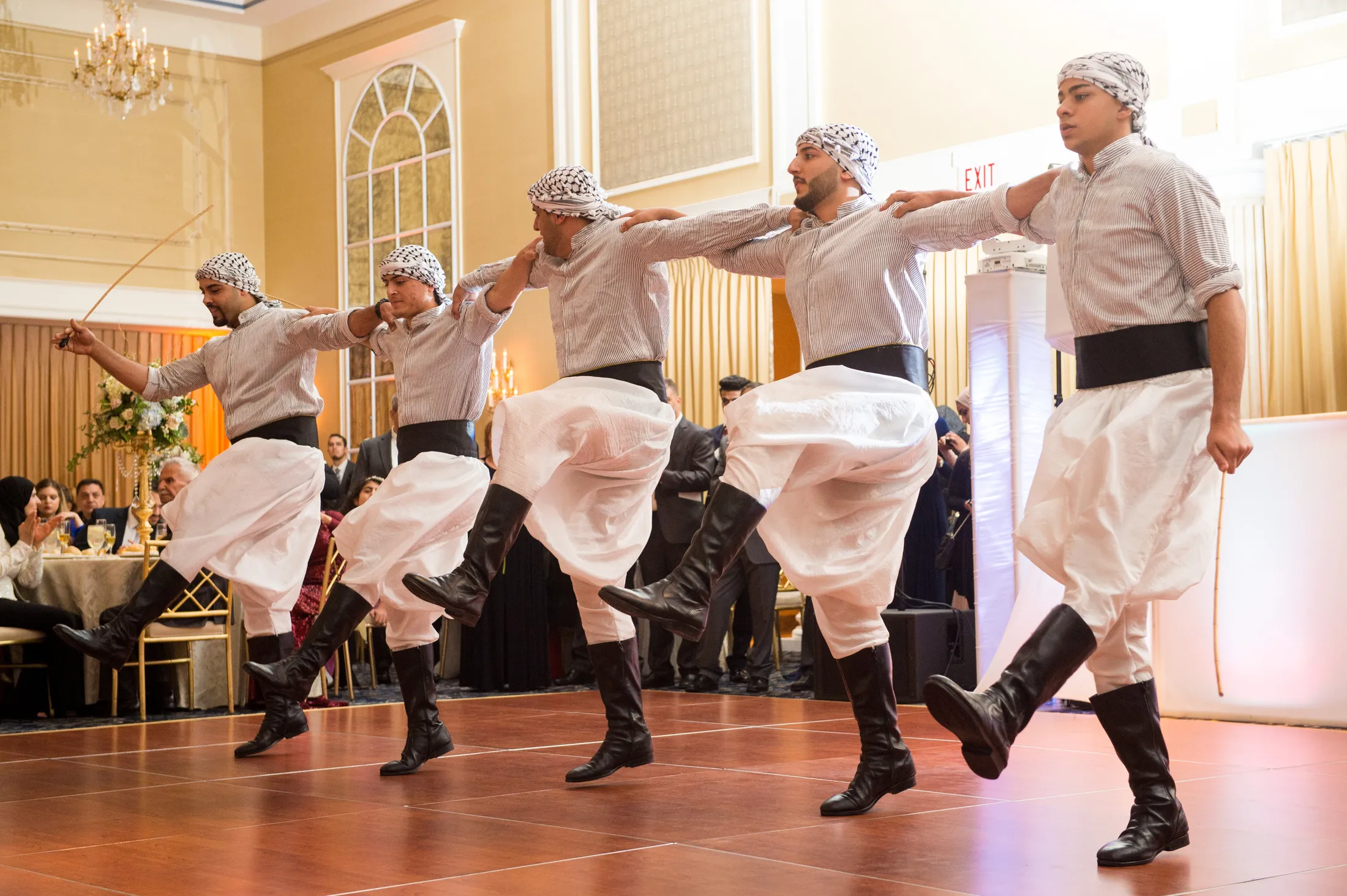
Henna night music is often more traditional than wedding reception music. Arab families may want classic henna songs, drums and dabke. South Asian families may want dhol and Bollywood songs. Turkish and Moroccan families have their own henna repertoires. Ask the oldest relatives which songs they remember from their own henna nights and include them.
A DJ can cover recorded music, while live drummers bring a traditional feel to key moments such as the bride's entrance or the henna application. Plan the evening in phases: arrival and greetings, the entrance, henna application with softer music, then dancing. The DJ should know when each phase starts.
Volume matters more at a henna night because conversation and the henna process happen at the same time as music. Ask the DJ to keep levels comfortable during application and raise the energy when the dancing begins.
Which performers suit a henna night?
Belly dancers are a popular choice for Arab and Turkish henna nights. A solo or duo set can open the dancing and invite guests to join. Discuss costume preferences and the level of guest interaction with your family first, since expectations vary between families and communities.
Drummers can lead the bride's entrance in a smaller version of a zaffe. Some families prefer a short procession with tabl or darbuka and a few relatives singing, which suits an intimate venue better than a full troupe. Ask Afrah Events which performers are available for your henna date.
Welcome girls or hostesses can greet guests, hand out favors and guide them to the henna area. This keeps the evening organized when many guests arrive at once and lets the family focus on welcoming people.
How do you design the decor and the henna area?
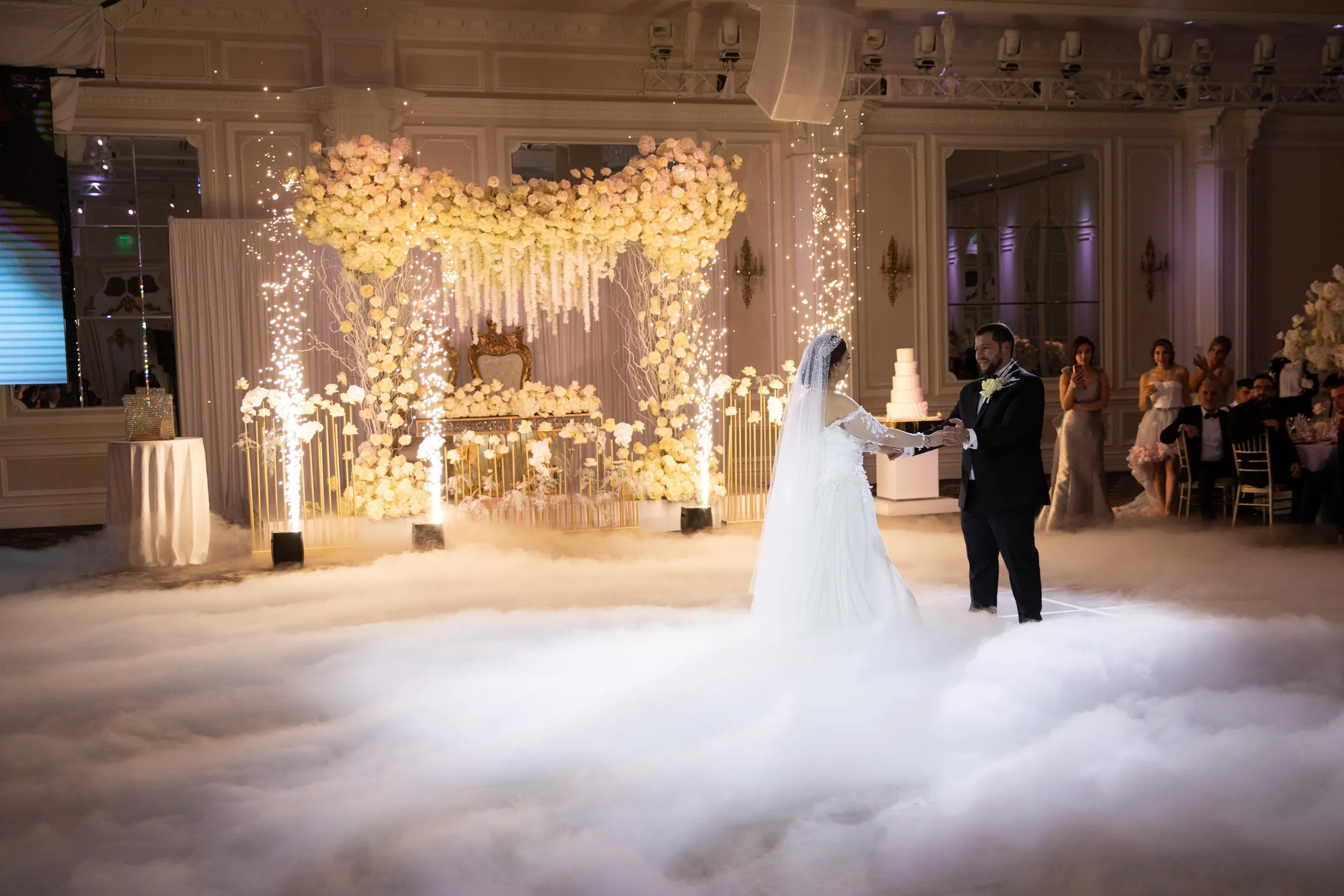
Henna night decor often uses rich colors: gold, deep red, green and jewel tones, along with low seating, cushions, lanterns and fabric drapes. A decorated seat or small stage for the bride works as a focal point for photos. Florals can be fuller and more colorful than at the wedding itself.
Place the henna artist where there is good light and comfortable seating, away from the busiest part of the dance floor. Guests should be able to queue without blocking walkways. Small tables for drying henna and a place to wash hands are practical details that are easy to forget.
Lighting sets the mood. Warm uplighting, string lights or lanterns create an intimate feel, and the lighting can brighten when the dancing starts. If the henna night is outdoors, plan for Florida heat and evening storms with fans, shade and a covered alternative.
Where can you hold a henna night in Florida?
Many families hold henna nights at home or in a private estate, which gives the most flexibility on timing and traditions. Hotel ballrooms, restaurant private rooms and event halls in Miami, Fort Lauderdale, Orlando or Tampa are good choices for larger groups. Some couples hold the henna night at the same hotel as the wedding to make the weekend easier for out of town guests.
Check the venue's rules on henna, since some properties worry about stains on linens or furniture. Ask about sound limits and finishing times, especially for home venues where neighbors and local noise rules apply. Confirm parking and access for performers and the henna artist.
If the henna night is the day before the wedding, keep it from running too late. The couple and close family will need rest before the wedding day. A clear end time agreed with the DJ helps everyone keep to the schedule.
Our favorite was definitely [the DJ and MC], [they] stuck to our playlists and meshed all our genres together effortlessly, guests raved about it.
How do you combine two cultures in one henna night?
Start by listing the henna customs each family expects. Some will overlap, such as music, dancing and henna application. Others will be specific, such as a particular song, dress or ritual. Give each specific custom a moment in the evening and explain it briefly to guests from the other culture.
Music blocks work well here too. An Arabic drum and dabke set followed by a South Asian or Turkish set lets each family celebrate in its own style, and a final mixed set brings everyone together. A bilingual MC or a confident family member can introduce each part.
Dress can also reflect both cultures. Some brides change outfits during the evening, wearing a traditional dress from each family. Plan time for changes in the schedule and let the DJ know when the bride will return so the music marks the moment.
How do you plan food and hospitality for a henna night?
Food at a henna night is often more relaxed than at the wedding. Many families serve traditional sweets, mezze or family style dishes, and some choose food stations that represent each culture. Make sure there is enough seating near the food so older guests can eat comfortably.
Drinks and refreshments should be easy to reach throughout the evening, especially in Florida heat. Water, juices and tea are common choices, and some families serve traditional drinks from their region. Plan for guests who stay a long time and keep refreshments available.
Favors are a popular henna night tradition. Small boxes of sweets, mini henna cones or personalized gifts can be given as guests leave. Welcome girls or hostesses can distribute favors and thank guests on behalf of the family.
Coordinate the food schedule with the music. Serving food during the henna application phase, when the music is softer, lets guests eat and talk before the dancing begins later in the evening.
What should you confirm before booking henna night entertainment?
Confirm the date, venue, guest count and the traditions you want included. Share the music styles for each family and any specific songs. Ask which performers are available and how long each performance will last.
Ask about setup needs. Drummers, dancers and DJs need space, power and a place to change. Home venues may need extension cords, a covered area for equipment or a plan for parking on a residential street.
Request a written summary of the agreed plan. Include arrival times, performance times, the end time and any special requests. Afrah Events serves Miami and all of Florida, and pricing depends on guests, performers, duration and travel.
Finally, share the plan with the family members who will be hosting. When everyone knows the schedule, the henna night runs smoothly and the bride and family can focus on the celebration.
How do you photograph and film a henna night well?
Henna nights produce some of the most colorful photos of the wedding weekend. Brief your photographer on the key moments: the bride's entrance, the henna application, family blessings and the first dances. Share the schedule so they are in position at the right time.
Lighting affects photos at henna nights more than at many receptions because the decor is often dim and warm. Ask your lighting team to add soft light around the bride's seat and the henna area so faces and henna designs are clearly visible.
Close up shots of the henna designs are popular keepsakes. Allow a few quiet minutes after application for detail photos before the bride returns to the dancing. These small pauses in the schedule produce images the family will treasure.
Continue planning with wedding entertainment packages, Miami venue logistics and Orlando resort planning.