By Afrah Events Team, Wedding entertainment specialists · Published · Last updated · 6 min read
A Jordanian zaffa shares the Levantine drums and dabka but has its own signatures: bagpipes leading the procession, the sahja clapping chant, the red and white shemagh and a wedding that often begins with the jaha and ends with mansaf. This guide explains each and how Afrah Events plans a Jordanian zaffa in Florida.
On this page
What makes a zaffa Jordanian
Jordanian weddings share much with their Palestinian, Syrian and Lebanese neighbours: drummers, dabka, zaghareet and a procession that brings the couple into the celebration. They also have signatures of their own. Bagpipes often lead the zaffa, men perform the sahja, a clapping and chanting dance from Bedouin tradition, and the red and white shemagh is worn proudly by the men of both families.
The wedding itself often follows a familiar order. The jaha, a delegation of respected elders from the groom's family, formally asks for the bride's hand. The wedding celebration follows, and many families serve mansaf, the dish of lamb cooked in fermented yogurt and served over rice, which is closely tied to Jordanian hospitality and celebrations.
This guide explains the parts of a Jordanian zaffa and how to plan them at a Florida venue. Families with Palestinian roots in Jordan may also want to read our guides to the Palestinian zaffa and dabka.
Bagpipes at a Jordanian wedding
Bagpipes surprise many guests who have not been to a Jordanian wedding. They became part of Jordanian celebrations through the country's military bands, and the bagpipe procession is now a familiar sound at weddings, graduations and national occasions. At a wedding, pipers in uniform or traditional dress can lead the groom or the couple into the hall, with drummers behind them.
If your family wants bagpipes, tell us when you request a quote. Bagpipes are loud and carry best outdoors or in large rooms, so we plan them for the venue: an outdoor opening at the doors, a short indoor route or a single piece before the drums take over. Pipers are confirmed per booking.
The groom's procession and the sahja
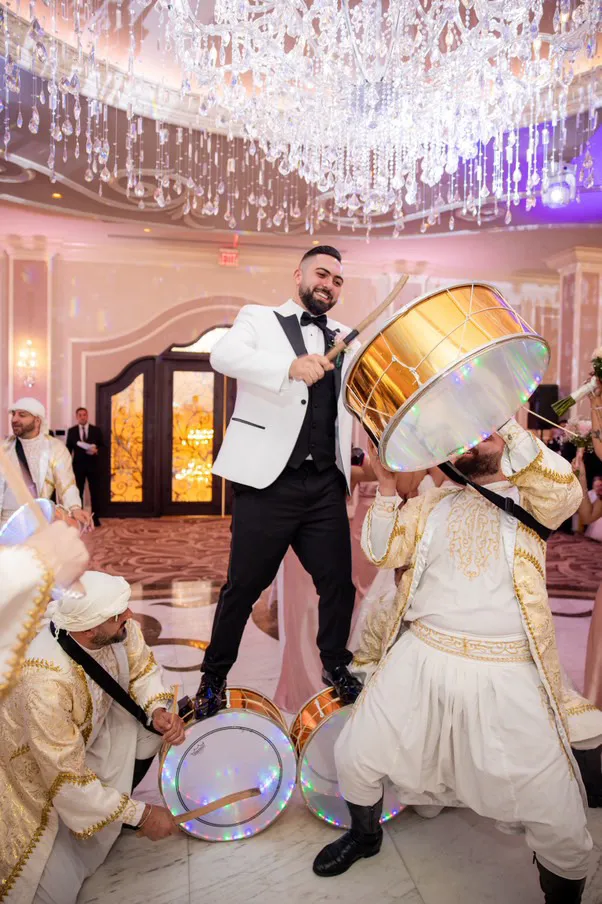
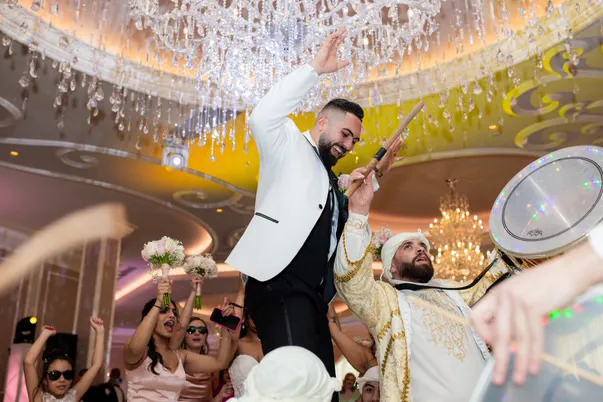
As at many Levantine weddings, the groom's procession is a high point. His friends and relatives gather around him, sometimes lifting him onto their shoulders, and bring him toward the celebration with drums, songs and zaghareet from the women.
The sahja is the Jordanian men's dance that often accompanies the groom's celebration. Men stand in a line or facing lines, clapping in a steady rhythm while a poet or lead singer calls verses and the line answers. A dancer, sometimes with a sword or cane, may move in front of the line. The effect is rhythmic and powerful, built on voices and hands more than instruments.
We plan the sahja around the family, because it is usually performed by the guests themselves. Our drummers and dancers support it, keep the rhythm steady and make sure the space is clear, and the MC introduces it for guests who have never seen it.
The drum zaffa and the dabka
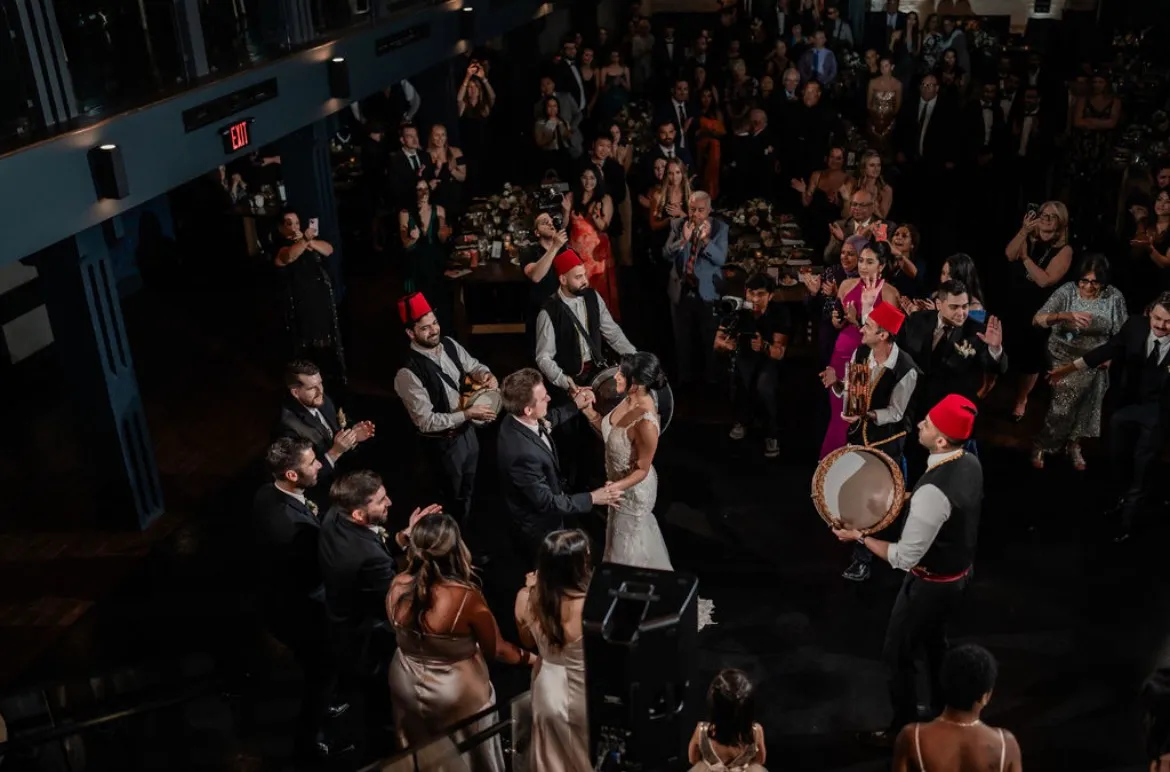
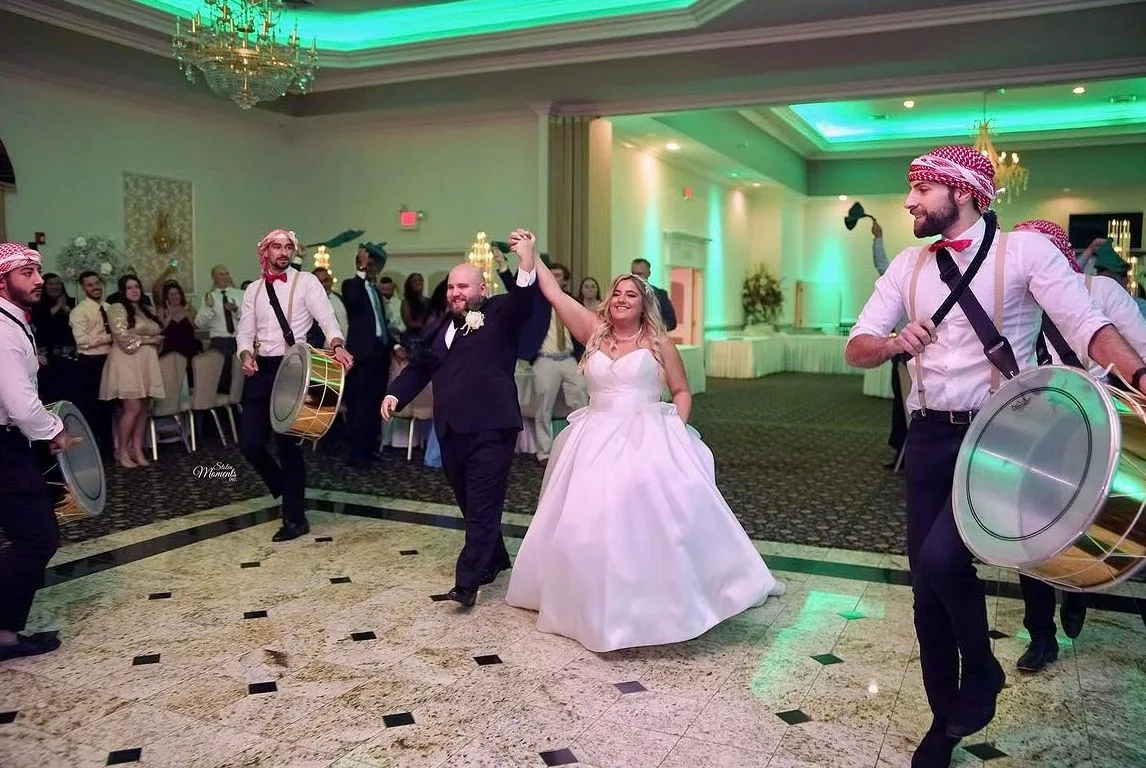
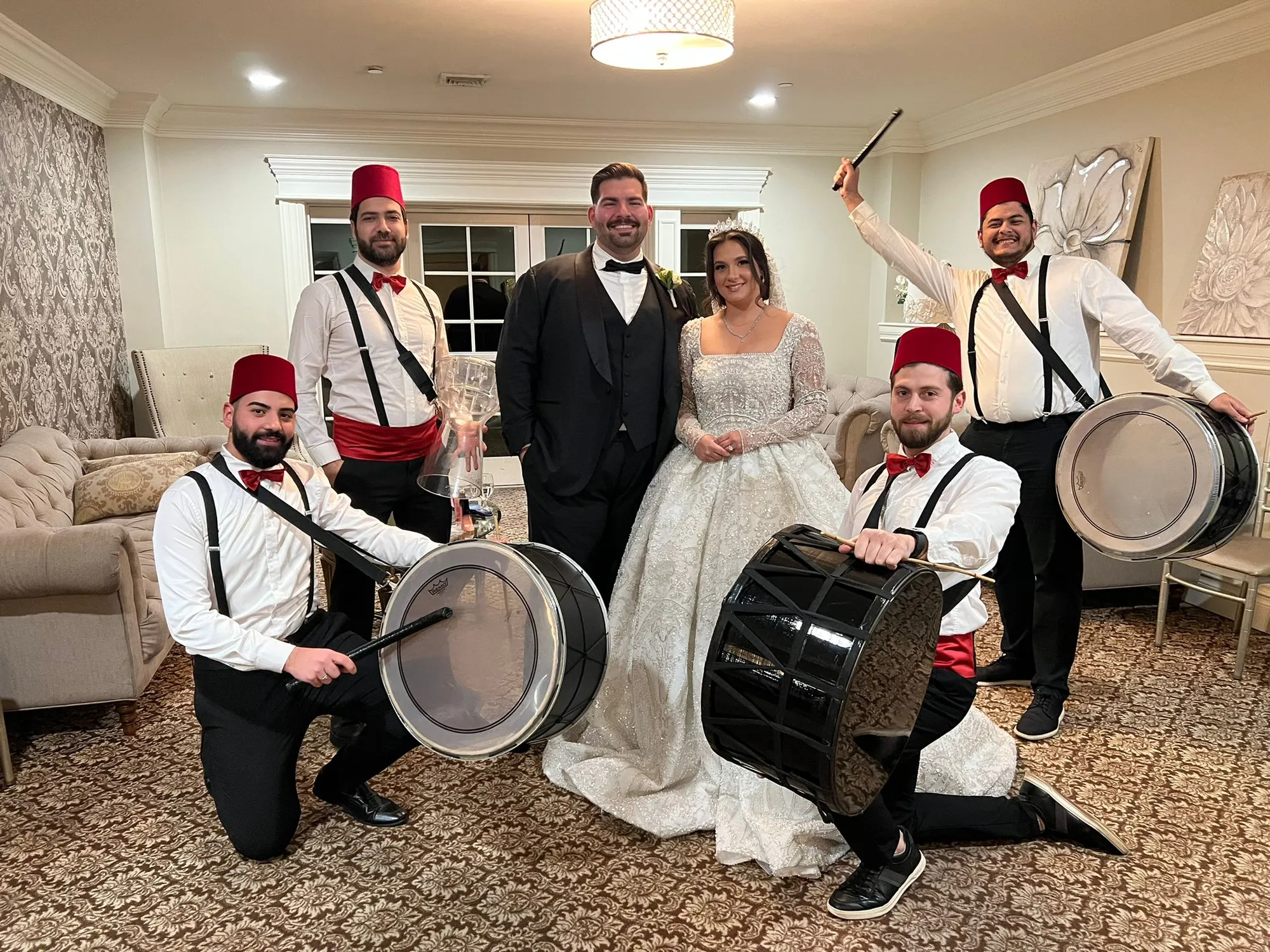
After the groom's procession, many Jordanian weddings have a drum zaffa that brings the couple together onto the floor. Tabl drummers, dancers and a singer lead the way, with songs the family knows, and the final drum hits hand straight to the first dance.
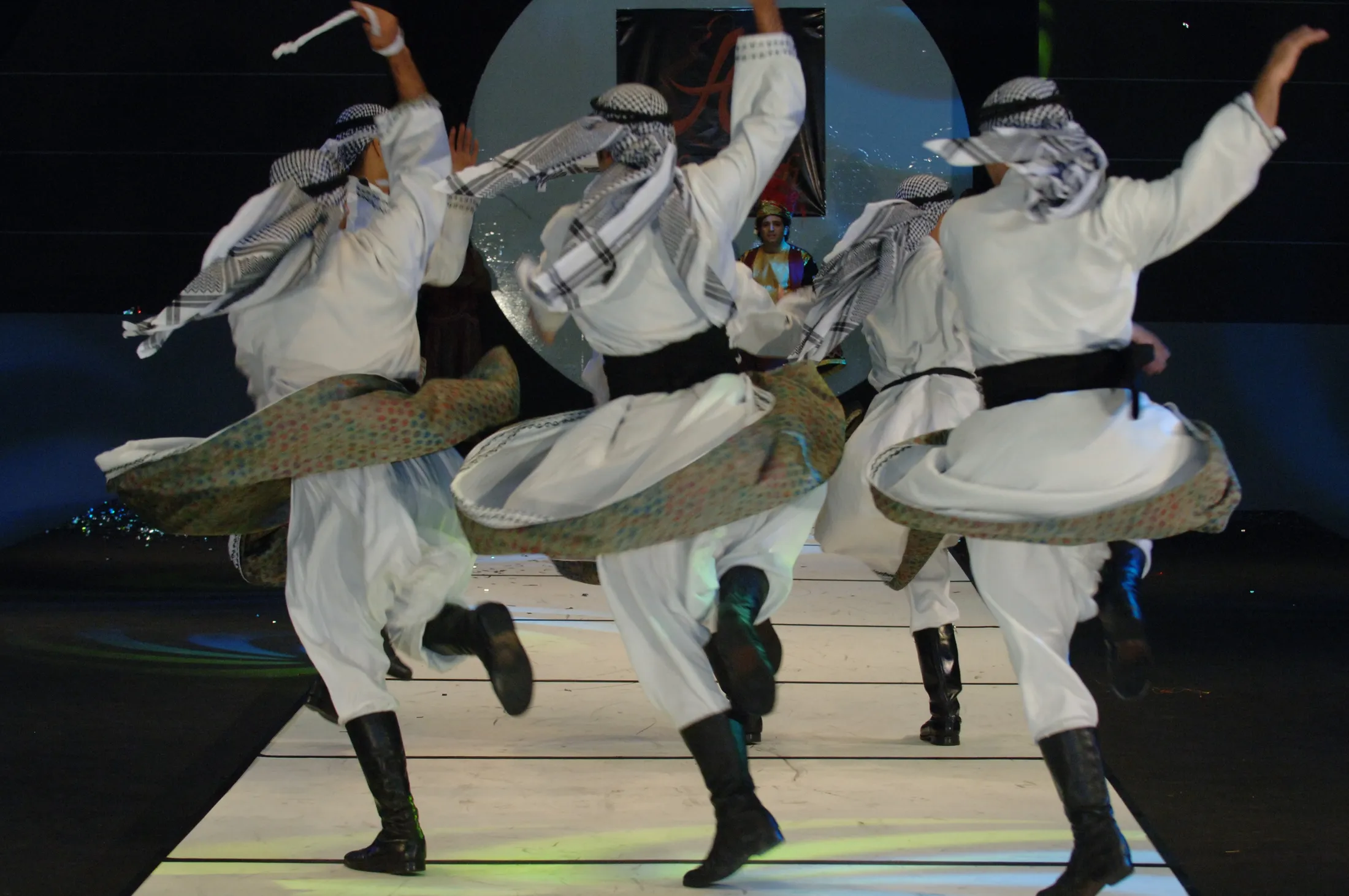
Jordanian dabka follows later in the evening, with the line led by a dancer waving a handkerchief and guests joining as the floor fills. Families often ask for songs by Jordanian singers such as Omar Al-Abdallat alongside Levantine classics. Send us recordings so the troupe and DJ prepare the exact versions.
Shemagh, dress and presentation
The red and white shemagh is a symbol of Jordan, and many families ask for the drummers and dancers to wear it, matching the men of the family. Others prefer traditional dress or a coordinated modern look. We confirm the costume in the proposal so it fits the family's picture of the day.
Some families also bring flags or other symbols into the zaffa. Tell us in advance and check your venue's policy, so the moment is planned rather than improvised.
Dress extends to the guests as well. Many men of the family wear the shemagh with a suit for the zaffa and the sahja, and some families give shemaghs to close friends of the groom so the whole procession looks united. If you plan to do this, tell us, and our drummers and dancers will match the look so the line reads as one group from the doors to the dance floor.
They did the most amazing job at my daughter’s wedding. Their performance was perfect. They were punctual and were very welcoming to our guests. They made the wedding extra special. I highly recommend them
Timing, weather and venues in Florida
A Jordanian zaffa with bagpipes, the groom's procession and a drum zaffa can run longer than a single entrance, so plan the timeline with enough room for each part. The biggest timing risk is the couple's arrival after portraits, so we set the cue from the realistic arrival time.
If the procession starts outside, agree an indoor route with the venue, because afternoon storms are common from June to September and hurricane season runs from June 1 to November 30. Large hotel and resort ballrooms in Miami, Orlando and Tampa suit the full procession, while smaller venues may need a shorter route and fewer pipers.
The jaha and the engagement
Many Jordanian weddings begin weeks or months earlier with the jaha. A delegation of respected men from the groom's family, often led by an elder or a figure of standing in the community, visits the bride's family to ask formally for her hand. The bride's family answers through its own elder, coffee is served and the agreement is celebrated.
The jaha is formal and dignified, so it usually calls for little or no entertainment during the request itself. The celebration afterwards is another matter. Families often follow it with music, a short zaffa or a dabka for the relatives who have gathered, and a compact group of drummers and dancers suits a home or a hall.
If your family is holding a jaha or engagement in Florida before the wedding, tell us the date and venue. We can plan a celebration that follows the formal moment without intruding on it, and quote it together with the wedding.
Mansaf and the reception timeline
Many Jordanian families serve mansaf at the wedding, and the meal shapes the timeline. Serving a large dinner takes time, and the dance floor should not compete with it. We plan the zaffa before the meal, a short dabka or quieter music during it and the main dabka and sahja after dinner, when guests are ready to dance.
Agree the catering schedule with your venue and coordinator early, and share it with us. Knowing when the meal starts and ends lets us place the high-energy moments where they work best and keep the evening moving without long gaps.
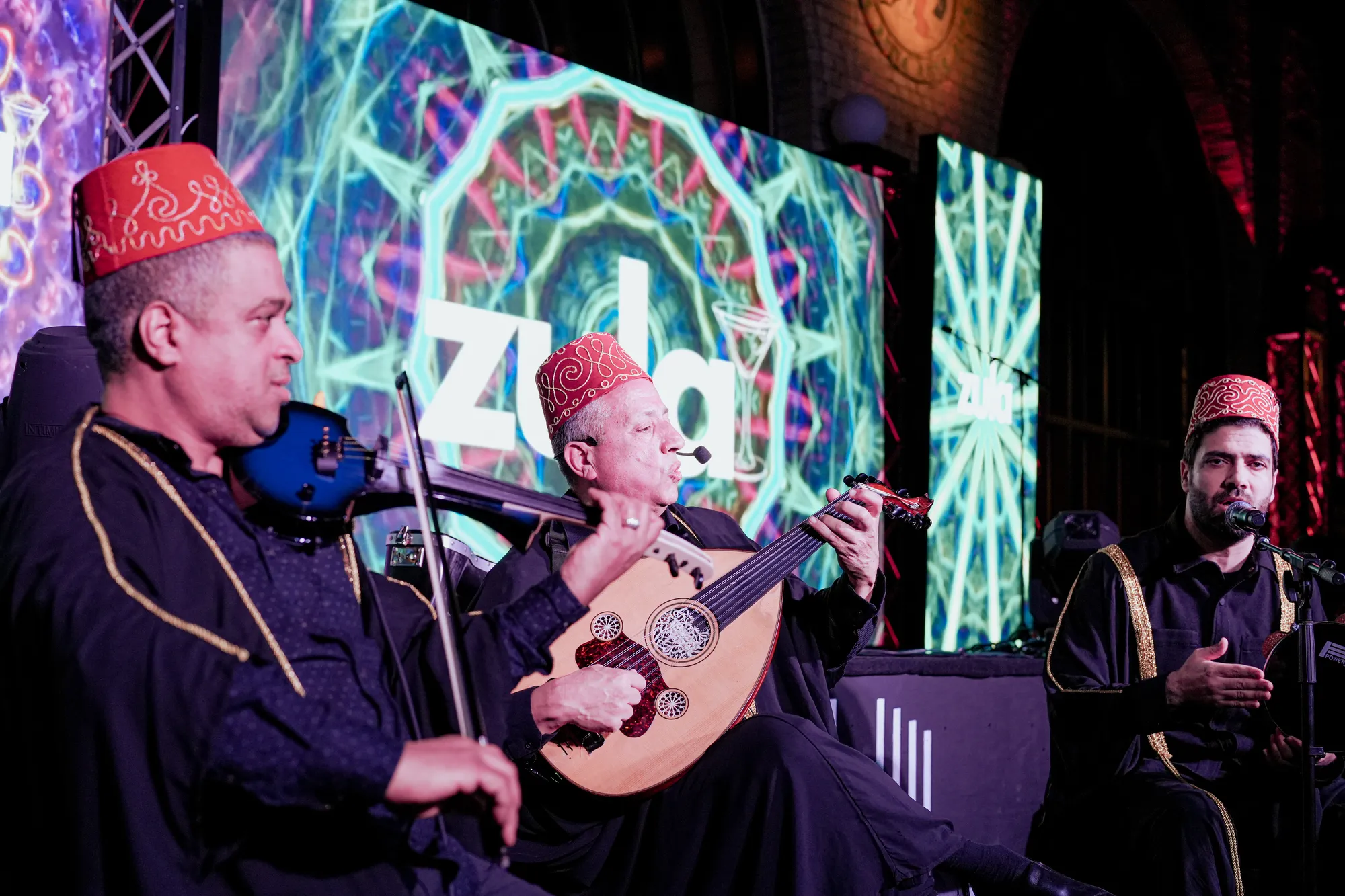
Mansaf is traditionally eaten together, and many families want the room calm and the music soft while it is served. A quiet set from the DJ or a live oud player during the meal respects that moment, and the energy of the sahja and dabka afterwards feels stronger for the contrast. Tell us how your family serves the meal so the entertainment fits around it rather than competing with it.
What to send us for a Jordanian zaffa quote
Send the date, the venue and room, the guest count and the elements you want: bagpipes, the groom's procession, the sahja, a drum zaffa, dabka and the DJ. Tell us about the costume style, any flags or symbols, and send the songs your family expects.
Pricing depends on guests, drummers, dancers, pipers, duration and travel, and starting ranges are available on request. Every proposal lists the confirmed performers and inclusions. Afrah Events performs Jordanian zaffas across Florida, from Miami and Fort Lauderdale to Orlando, Tampa and Jacksonville, travel is included in the quote and we reply within 24 hours by email.
Continue planning with wedding entertainment packages, Miami venue logistics and Orlando resort planning.