By Afrah Events Team, Wedding entertainment specialists · Published · Last updated · 6 min read
A wedding sound system includes main speakers sized to the room, subwoofers for dancing, a mixer and wireless microphones for speeches. The goal is even coverage, so guests at the back hear the toasts as clearly as guests at the front. In Florida, plan the system around room size, separate ceremony and reception spaces, and each venue's sound limits.
On this page
What does a wedding sound system include?
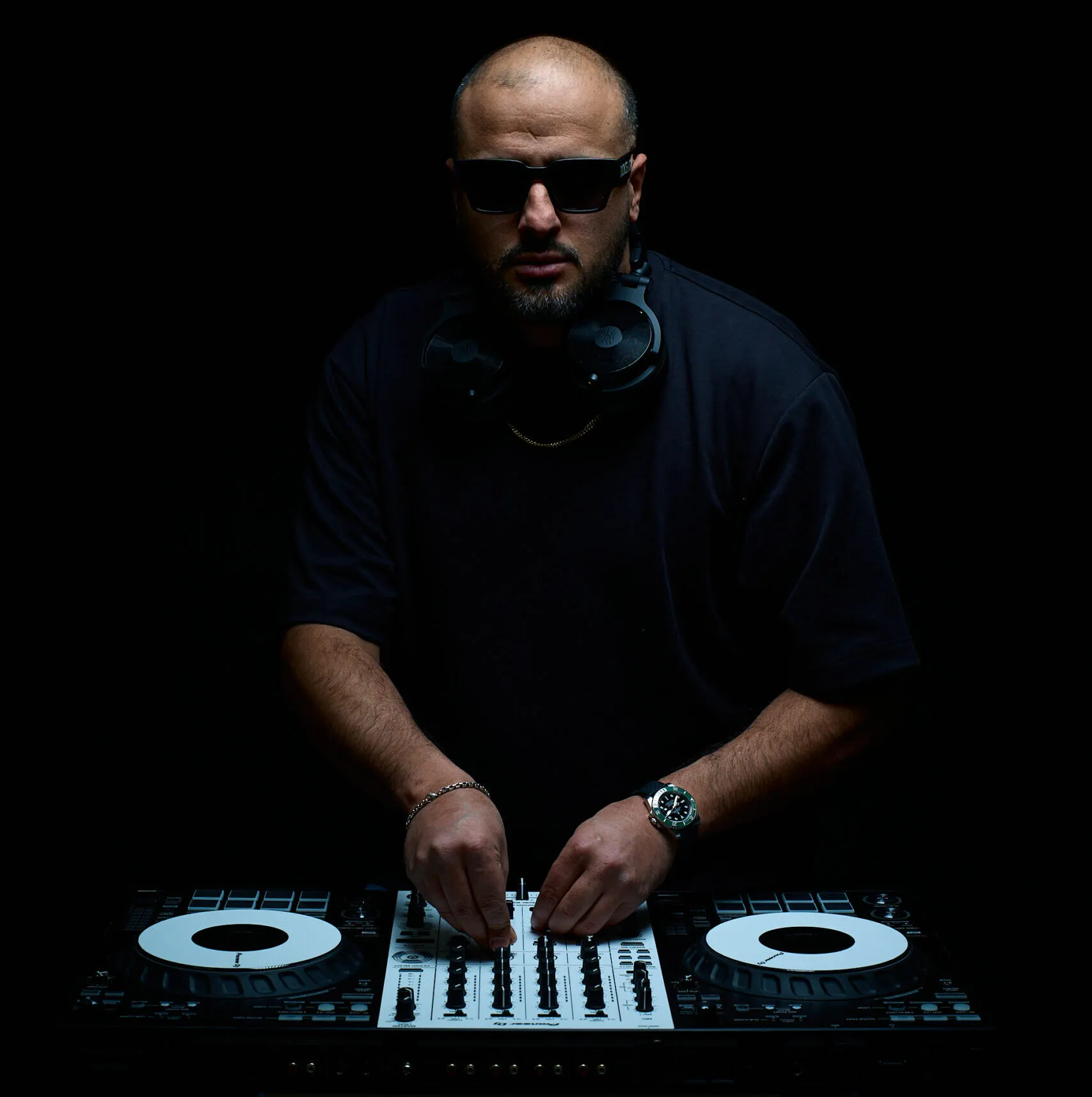
A wedding sound system includes four parts. The main speakers carry music and speech to the guests. Subwoofers add the low end that makes dance music and the dabke feel full. A mixer combines the DJ's music, microphones and any live instruments, and lets the operator balance them. Wireless microphones carry vows, speeches and announcements. Cables, stands and power distribution connect everything safely.
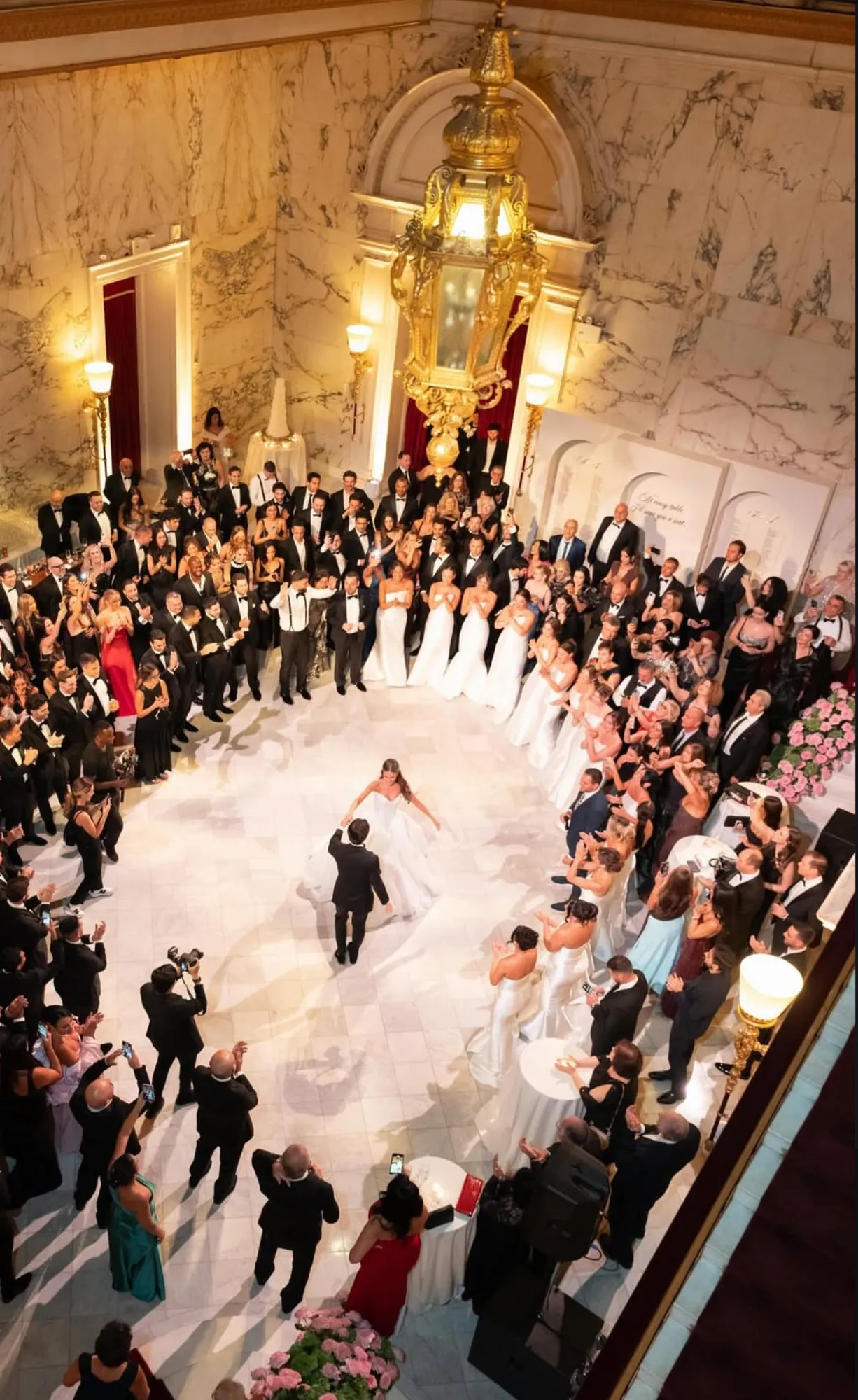
The size of each part follows the room and the guest count. An intimate reception of one hundred guests in a single room needs a compact system with a pair of speakers and one subwoofer. A ballroom of three hundred guests needs more speakers placed for even coverage and enough low end to fill the dance floor. A large resort ballroom or an outdoor lawn may need a line array system that projects sound further without becoming harsh close to the stage.
Ask your DJ or production company what is included, and in what quantity. A proposal that only says sound system could mean a single pair of speakers or a full multi-zone setup. Knowing the number of speakers, subwoofers and microphones lets you compare quotes fairly and avoid discovering on the day that the toasts are hard to hear at the back tables.
Why does speech clarity matter more than volume?
Speech clarity matters more than volume because the spoken parts of a wedding carry its meaning. Vows, welcome speeches, toasts from parents, prayers and the bilingual introductions at an Arab wedding all need to reach every guest. A system that is loud near the stage but muddy at the back leaves older relatives, guests with hearing difficulties and the furthest tables guessing at what was said.

Clarity comes from three decisions. Speaker placement spreads sound evenly across the seating instead of blasting the front rows. Speaker type matters: column and line array speakers are designed to cover a room consistently from front to back. Microphone setup matters too: each speaker's voice is set to a comfortable level before they begin, and the MC knows who is speaking next, so there is no feedback and no fumbling.
A useful test is to ask where the speakers will stand and how the back of the room is covered. A professional answer mentions coverage, not just wattage. The same principle applies to the dance floor: even coverage lets the music feel full at a moderate level, which also helps at Florida venues with strict sound limits.
Which speakers suit your room: columns, line arrays or a simple pair?
A simple pair of speakers on stands suits small rooms, restaurants and home celebrations where guests sit close to the music. It is quick to set up and easy to move between a ceremony and a reception area. In larger rooms, a single pair struggles, because guests near the speakers hear too much and guests far away hear too little.
Column speakers are tall, slim systems that spread sound wide and evenly at moderate distances. They suit ceremonies, cocktail hours and ballrooms of a few hundred guests, and their narrow profile looks tidy in an elegant room. Line array speakers stack several elements so the sound travels further while staying even. They suit large ballrooms, divided rooms with long throws, outdoor lawns and corporate galas with big audiences.
Subwoofers sit on the floor and carry the low frequencies. For Arab weddings, a well placed subwoofer makes the difference between a dabke that feels powerful and one that feels thin. Place subwoofers near the dance floor rather than beside the head table, so the energy goes where people are dancing and the couple can still talk with guests.
How many microphones does a wedding need?
Most weddings need at least two wireless microphones. One belongs to the DJ or MC for announcements and introductions. A second handheld microphone is passed to family members for speeches. If the ceremony is amplified, the officiant usually wears a lapel microphone so their hands stay free, and the couple may share a discreet microphone during vows so guests hear them clearly.
Larger programs need more. A wedding with several speakers in a row benefits from a microphone on a stand at a set position, so each speaker walks to the same spot. A live singer or zaffe lead singer needs a dedicated microphone. Corporate events add lectern microphones, panel microphones and a spare. In each case, a spare microphone with fresh batteries should be ready before guests arrive.
Give your DJ or production team the list of speakers, their order and pronunciation notes for their names. The MC then introduces each speaker by name, the operator sets the level for each voice, and the program moves from one speech to the next without long pauses. This preparation matters more than any piece of equipment.
They did the most amazing job at my daughter’s wedding. Their performance was perfect. They were punctual and were very welcoming to our guests. They made the wedding extra special. I highly recommend them
How do you plan sound for a ceremony, cocktail hour and reception?
Many Florida weddings use different spaces for each part of the day: a ceremony on a terrace or lawn, cocktail hour in a pre-function area and the reception in the ballroom. This is common at Miami Beach hotels, Orlando resorts and Gulf coast venues. Each space needs its own sound, either from separate systems or from one system moved during cocktail hour.
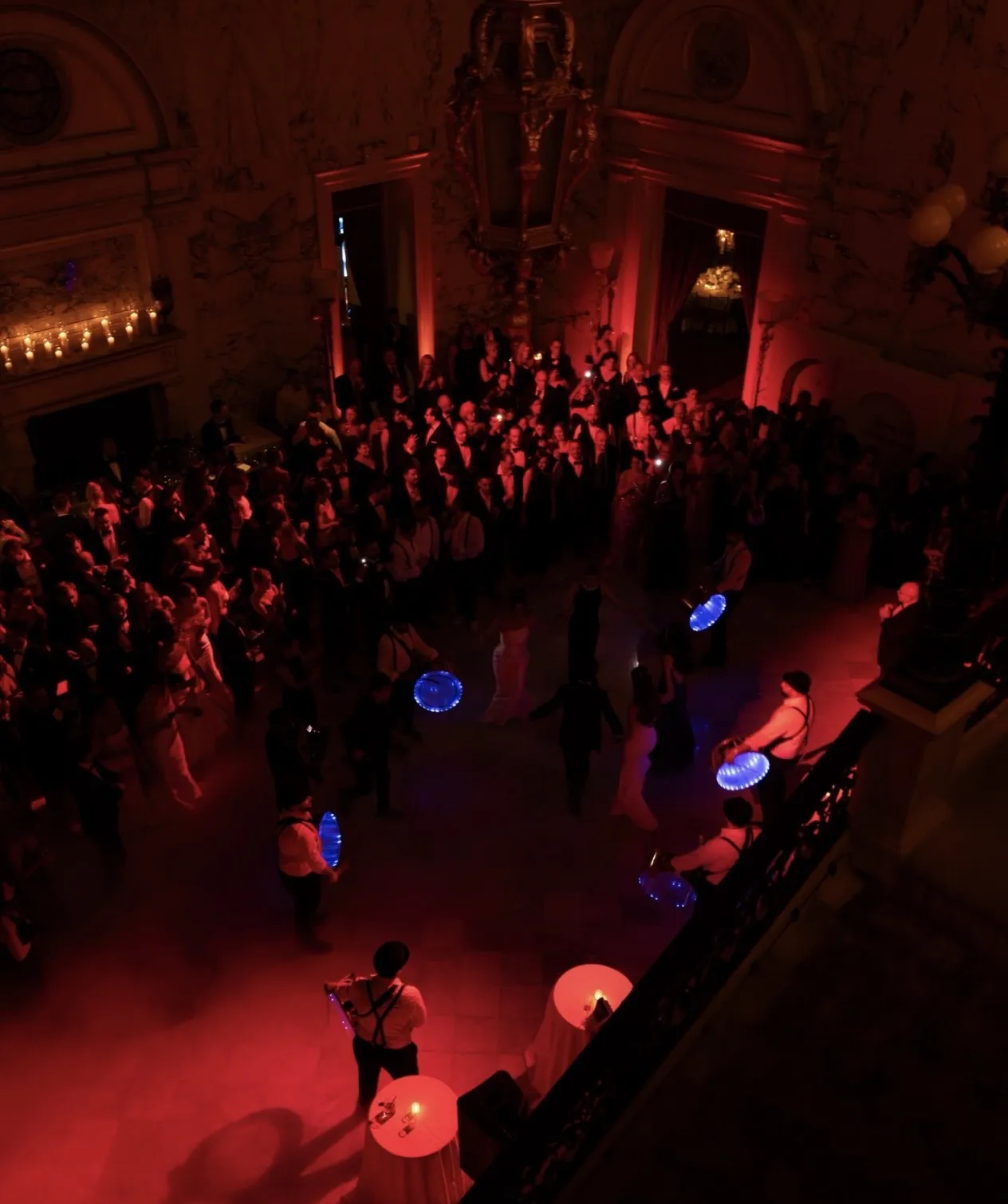
Separate systems are the safer choice when the spaces are far apart or when the changeover time is short. The ceremony system stays in place, the cocktail music plays from its own speakers and the reception system is set and tested before guests enter. Moving one system can work when the spaces are close together and the venue gives the team enough time between parts of the day.
Outdoor ceremonies in Florida need a weather plan for the sound as well as for the guests. Speakers and power must be protected from rain and direct sun, and the indoor alternative should already have a sound plan. Agree on the decision time for moving indoors with your venue coordinator, so the sound team can be ready in the right space.
How do Florida venue sound limits affect your wedding?
Florida venues often set sound limits. Oceanfront hotels in Miami Beach and the Gulf coast may limit amplified sound outdoors, especially in the evening. Rooftops near residential buildings in Brickell and Fort Lauderdale may enforce a decibel limit or an earlier curfew. Some venues place a sound meter in the room and stop the music if it goes over the limit.
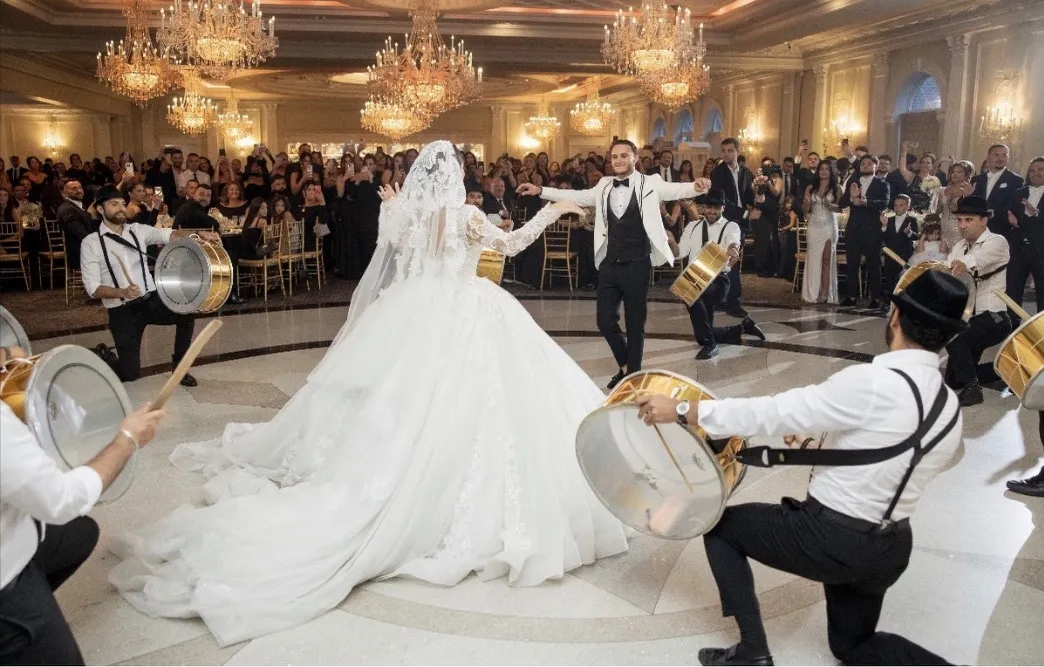
A professional system works with these limits rather than against them. Even coverage lets the music feel present at a lower level, and careful subwoofer placement keeps the low end controlled. Ask your venue for its decibel limit, curfew and rules for outdoor sound before you confirm the entertainment, and share them with your DJ and sound team.
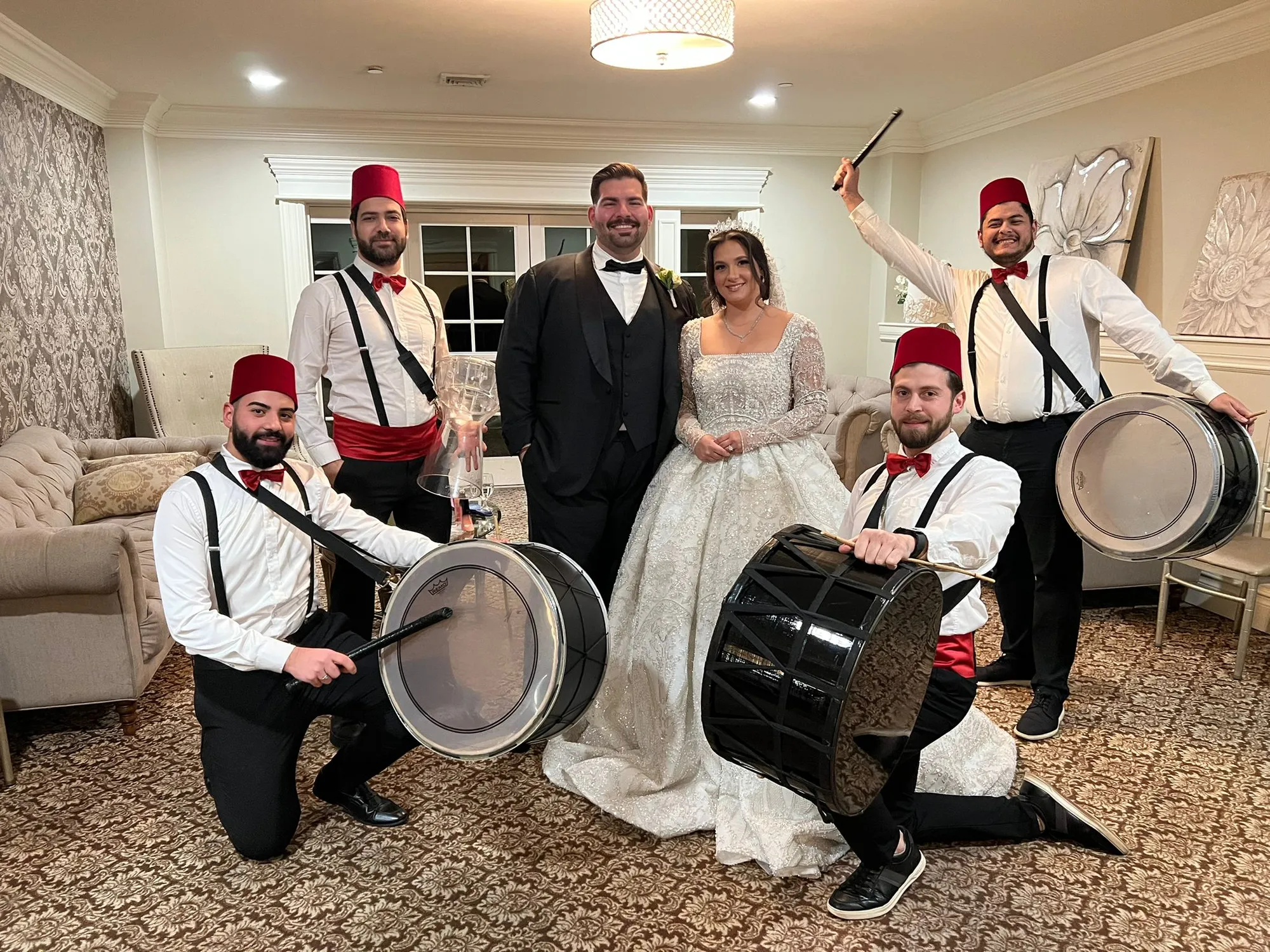
Plan the loudest moments inside the permitted window. A zaffe entrance with live drummers and a dabke set are naturally loud, so schedule them before any curfew and indoors if the outdoor area has stricter rules. With the limits known in advance, the music plan can build toward the peak moments at the right time instead of being cut short.
What should you ask before booking wedding sound?
Ask how many speakers, subwoofers and wireless microphones are included, and how the back of the room will be covered. Ask whether separate ceremony and reception setups are included, and who operates the system during speeches. Ask how the DJ handles live performers such as zaffe drummers, a violinist or a full Arabic band, because each needs a plan for microphones and levels.
Then share your details: the date, venue and rooms, guest count, number of speakers and the venue's sound rules. Afrah Events provides professional sound systems, the DJ and bilingual MC, lighting and live entertainment across Florida, including Miami, Fort Lauderdale, Boca Raton, Orlando, Tampa and Naples. Pricing depends on the room, zones, microphones and travel, starting ranges are available on request, and every proposal lists the equipment included.
Continue planning with wedding entertainment packages, Miami venue logistics and Orlando resort planning.