
By Eyad, Founder of Afrah Events · Published · Last updated · 9 min read
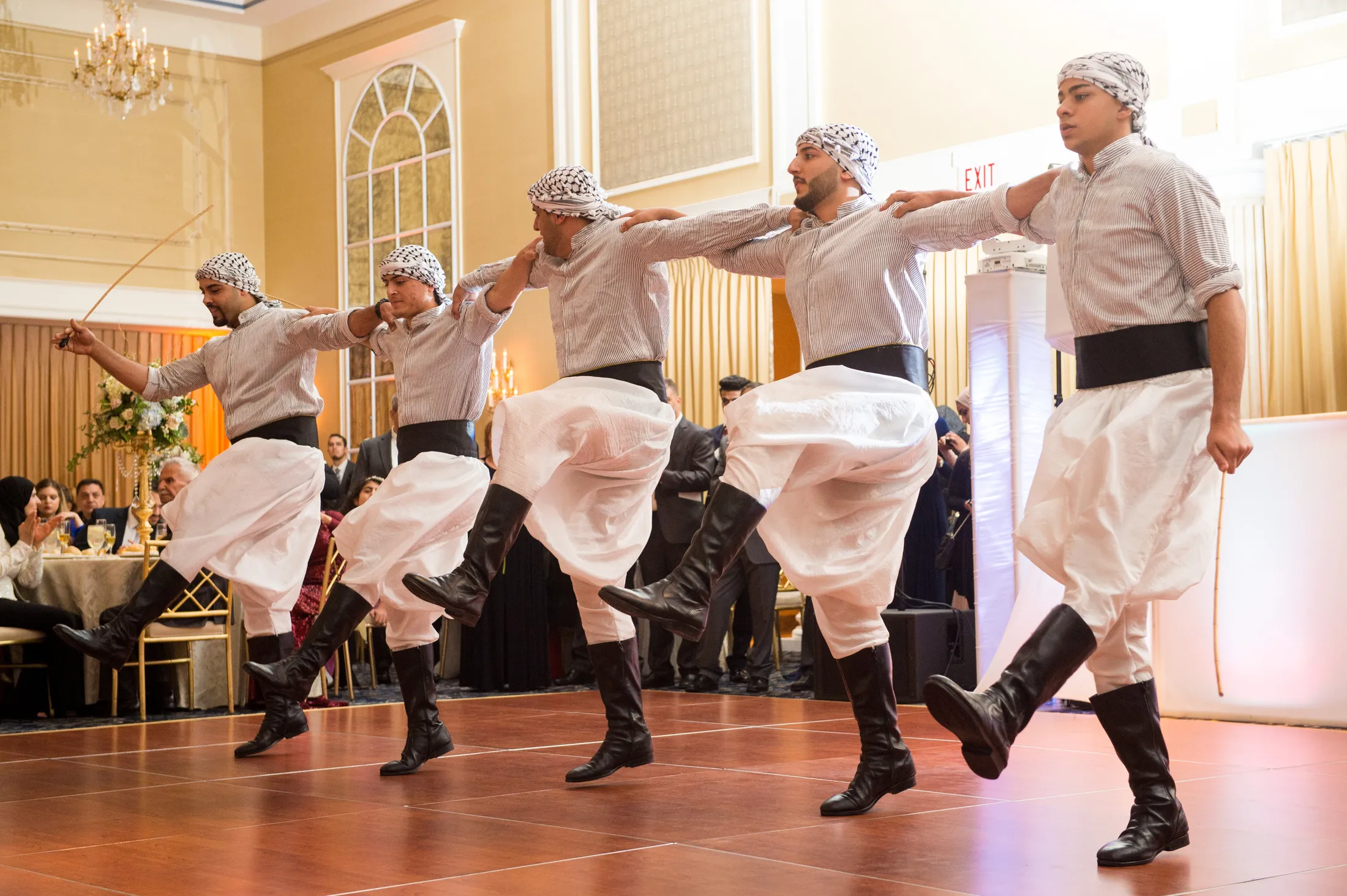
A zaffe is a celebratory procession used by many Arab families to mark a couple's arrival at a wedding celebration. Depending on the family's preferences, it can include percussion, singing, dancers and participating relatives. Its main job is to bring attention to the couple and lead them toward an agreed destination. The music, route and participants should be discussed rather than assumed from the name alone.
On this page
Understand the purpose of the procession
A zaffe is a celebratory procession used by many Arab families to mark a couple's arrival at a wedding celebration. Depending on the family's preferences, it can include percussion, singing, dancers and participating relatives. Its main job is to bring attention to the couple and lead them toward an agreed destination. The music, route and participants should be discussed rather than assumed from the name alone.
There is no single arrangement that represents every Arab wedding. Regional background, family custom, religion and personal taste can influence what a couple wants, and diaspora celebrations may combine several references. Some families want an entrance that closely follows familiar songs and chants. Others prefer a brief traditional opening followed by a contemporary track. We ask couples to explain the details that matter instead of choosing solely by a national label.
Begin by identifying what you want guests to experience. Should they watch from their seats, gather around the dance floor or join a limited family procession? Decide whether the couple enters together and where the performance ends. The destination might be the floor, a presentation area or the couple's seating. Giving the entrance a clear purpose makes every later decision about music, formation and timing easier to explain to the venue and other suppliers.
Choose the route before setting the performance length
Walk the proposed route with the venue contact and planner before confirming the entrance format. Note doorways, turns, changes in floor level and areas shared with other guests. A hotel lobby may look suitable in a photograph while remaining a public circulation area where percussion or a gathering is restricted. Ask for explicit permission to use each part of the route rather than assuming the reception booking includes the whole property.
Check the route for the couple's clothing and footwear as well as the performers' movement. A narrow turn can be awkward for a full skirt, and a lift may break the continuity of a procession. Older relatives or guests using mobility aids should have a comfortable way to participate or watch. Do not make a long standing period a condition of being included. A shorter entrance near the ballroom can provide a strong focus without an unnecessary corridor sequence.
Once the route is known, discuss a performance window with our team and the coordinator. The original route, family involvement and chosen musical sections all affect duration. If considering a window of fifteen to thirty minutes, distinguish assembly and waiting from the active performance. A compact doorway entrance may need less time. Avoid selecting a length only because another wedding used it; the useful measure is whether your entrance reaches its destination with a clear beginning and ending.
Prepare the couple and family before the public cue
The assembly period should happen before the announced entrance time. Identify a private or approved waiting point for the couple, performers and any relatives joining them. Give each participant a simple explanation of where to stand and whom to follow. The couple should not be resolving the order while guests are already watching an open doorway. Our lead needs a clear contact who can confirm everyone is present.
Check practical details before moving. The photographer should know where the couple first appears, the videographer should have an unobstructed view and the DJ should have the next track ready. Make sure the route is clear of bags, catering equipment and cables. If a family member carries a ceremonial item, name that person in advance and confirm what happens to the item at the end. Do not ask a performer to take responsibility for rings, gifts or valuables without an explicit agreement.
Ask the venue or coordinator to confirm that guests are seated or positioned appropriately, meal service is paused where necessary and the destination is ready. Our drummers should receive the cue only after those checks. A short hold with background music is preferable to beginning a procession that reaches closed doors or a crowded service crossing. The person giving the final instruction should be the same person recognized by the DJ and venue team.
Agree on the music and what will be performed live
Percussion often provides the foundation of a zaffe, but the exact instrumentation varies. Terms such as tabl, darbuka, riq and daf refer to different percussion instruments, and their presence should be confirmed in the proposed lineup. Some arrangements include a singer or additional melodic instruments; others combine live drums with playback. Ask what the audience will actually hear rather than inferring the instrumentation from a portfolio video.
Give our team a few meaningful reference recordings and explain why each matters. One may contain a chant your family recognizes, while another may demonstrate the desired pace. Identify the exact version if the couple's movement depends on a particular introduction or musical break. If lyrics or spoken phrases are involved, ask a knowledgeable family contact to check pronunciation and suitability. Do not assume every traditional sounding recording carries the same meaning for every family.
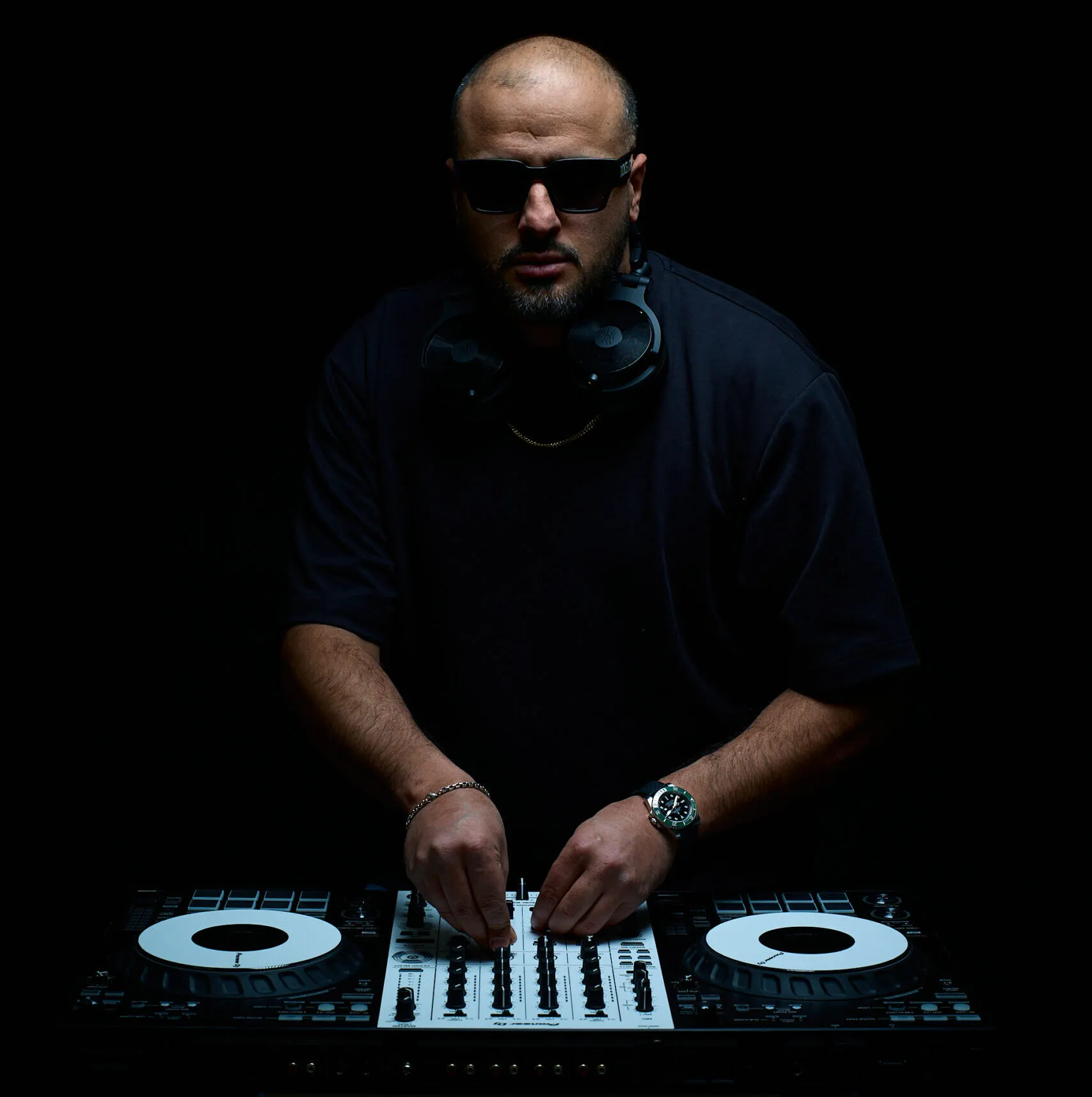
Confirm who controls playback and how live percussion connects with the DJ. The entrance may open with drums alone and finish on a recording, or use another agreed structure. Each handover needs a known cue. Avoid adding an unreviewed song on the wedding day simply because a guest requests it. A recording with a different tempo or introduction can change the planned movement and make the ending harder for performers, the couple and photographers to anticipate.
Let the procession arrive somewhere and finish deliberately
As the procession enters the reception room, guests need enough space to watch without crowding the couple's route. Decide whether relatives remain behind the performers, move to a viewing position or join a brief gathering at the destination. The coordinator should keep access to exits and service areas clear. Guests taking photographs can unintentionally narrow the route, so an agreed room layout and a concise announcement may be more useful than asking performers to manage the crowd themselves.
Choose a final position for the couple that works for the next event. If the first dance follows, the floor should be clear and the DJ ready with the approved recording. If the couple will greet parents or move to their seating, allow that action to complete before introducing another feature. Our lead and the DJ should recognize the same ending signal. The performance should not stop abruptly because nobody knows whether the couple intends to sit down or continue dancing.
Discuss how the ending can be shortened if the entrance begins late. Preserve the essential family song or arrival cue and reduce an optional repeat rather than rushing the couple through a meaningful moment. If guests are highly enthusiastic, the coordinator can still protect dinner timing with a clear handover. Flexibility works best when the adjustable parts are agreed beforehand, not when several relatives are trying to extend the performance from different sides of the floor.
Our favorite was definitely [the DJ and MC], [they] stuck to our playlists and meshed all our genres together effortlessly, guests raved about it.
Keep props and effects separate from the essential entrance
A zaffe does not require swords, candles, sparks or fog to be complete. If a visual element matters to the couple, discuss it as a separate request with its own conditions. Props need an appropriate performance plan, venue permission and qualified handling. Do not assume an object is acceptable because it appears in a regional reference video. The actual room, audience proximity and intended movement determine what the responsible professionals need to review.
Cold spark machines are not automatically permitted substitutes for flame. Their use depends on the specific equipment, qualified operation, written venue approval and any applicable authority requirements. Low fog and CO2 also need their own review. Ask who handles documentation and what restrictions apply to positioning, ventilation or operating zones. No supplier should disable or bypass a detection system to make an effect possible. An operator must retain the ability to withhold a cue when conditions are unsuitable.
Give photography and video the approved plan without asking them to enter restricted areas for a better angle. Tell our performers whether an effect has been confirmed or remains conditional. Prepare the entrance with music and lighting alone so it still works if permission is refused or the operator cancels deployment. The couple's arrival should remain the focus. An optional machine should never become the reason the procession cannot begin, continue or reach a satisfying ending.
Coordinate the handover to dinner, dancing or speeches
Choose the next reception moment before finalizing the zaffe. A first dance, a short welcome, a guest dance segment or movement to dinner each requires a different ending position and audio cue. There is no mandatory sequence that suits every family. Explain the chosen order to catering so service does not begin through the middle of a performance area or leave food waiting while an unplanned extension continues.
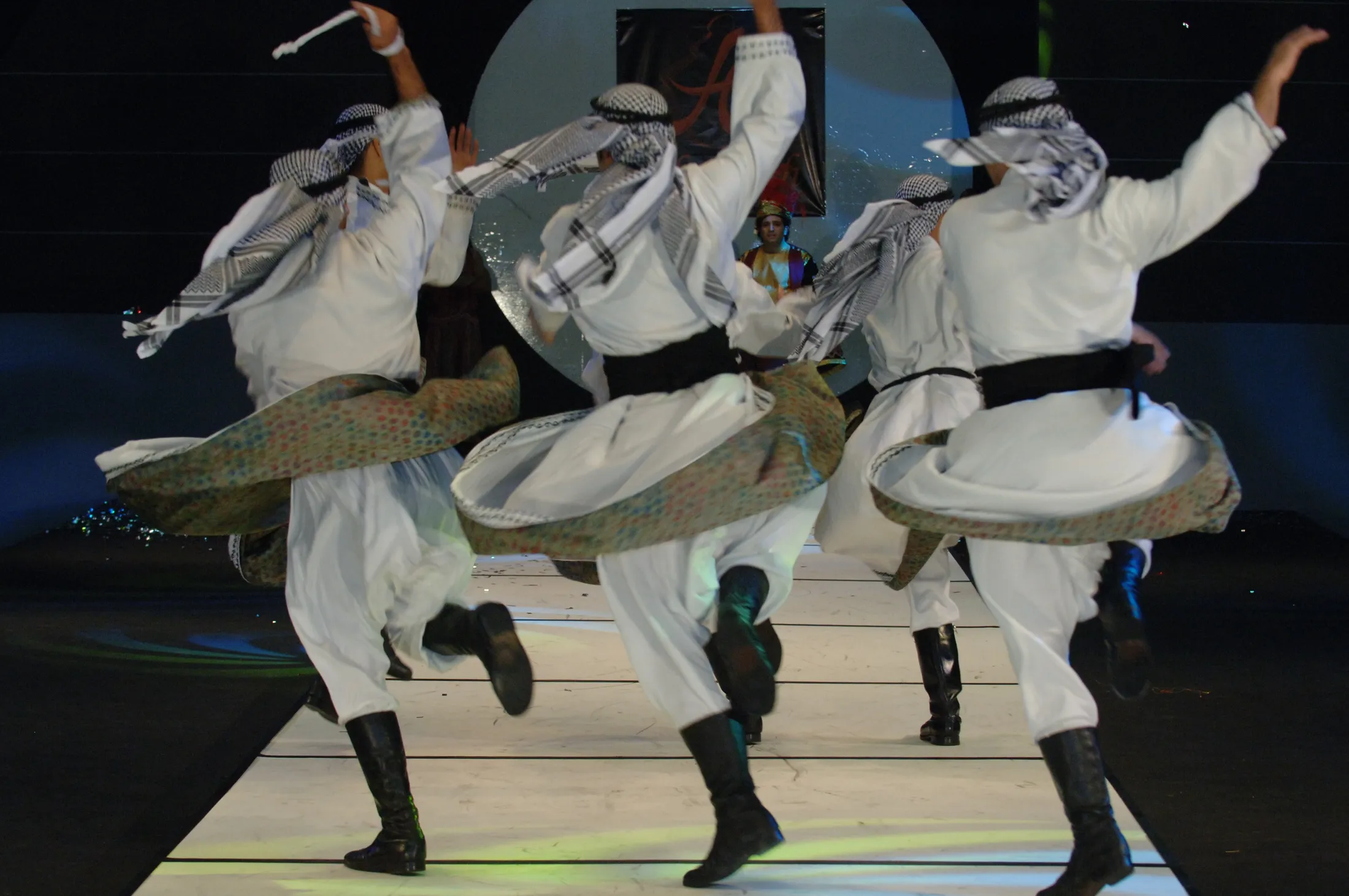
If dabke follows, identify whether our dancers demonstrate first or guests are invited immediately. Dabke is a dance tradition, not another name for the procession. The floor needs enough room for the proposed participation, and someone should lead the invitation. Relatives who prefer to watch should have a clear view and an easy route back to seating. If speeches follow instead, confirm the microphone is ready and the speaker knows when to approach. Avoid using the couple's arrival as the moment to search for a wireless microphone.
Build a modest adjustable interval into the wider schedule rather than expecting every cue to happen at an exact second. The coordinator can absorb a delayed photograph or extra family greeting without changing the essential meal plan. Our team should know who can authorize an extension and who can request the agreed ending. This prevents an enthusiastic guest request from becoming a conflicting instruction that overrides the couple's priorities or the venue's operating limits.
Complete a final review that everyone can use
Before the wedding, review one current entrance document with the planner, venue, DJ and performance lead. Include the assembly location, family participants, route, destination, musical references and next cue. Add the approved performance window and distinguish it from setup or waiting. Confirm names and pronunciation if an announcement is involved. A concise floor plan is often more useful than several separate messages describing the same doorway.
Ask who supplies sound, which connections live performers require and when a check can happen before guests arrive. Confirm vendor access, parking or loading instructions and any required venue documentation. If an outdoor portion is planned, identify the indoor alternative and the person who decides on relocation. A covered area is not automatically suitable for every weather condition, so follow the venue's emergency procedures and the professional assessment of those responsible for equipment and performance.
Finally, tell the couple what they need to remember: where to wait, whom to follow and where the entrance ends. They do not need to manage audio or approvals during the procession. We want the preparation to make their movement feel natural, with clear instructions behind the scenes. A zaffe works best when its cultural references are accurate to the family, its route fits the venue and its ending connects confidently to the celebration that follows.
Continue planning with wedding entertainment packages, Miami venue logistics and Orlando resort planning.